Attribution
GZCLP
Created by Cody Lefever.
Source: Source link to add
This guide summarizes and comments on the original program. Credit belongs to the original author(s).
Program Summary
GZCLP is a novice-friendly linear progression built on the GZCL method. It keeps the simplicity of adding weight frequently, but organizes training into tiers that balance heavy strength work with higher-rep volume.
Who it is for
- Lifters who have a basic barbell foundation and want more structure than a single set scheme.
- Beginners who like clear progression rules but also want higher-rep work for technique and muscle balance.
- Athletes who can train three to four days per week and recover well.
Who it is not for
- People who are completely new to barbell technique and need a minimal plan first.
- Lifters who cannot recover from multiple weekly sessions per lift.
- Anyone looking for a highly specialized sport peak right now.
If you are coming straight from a simple linear progression, GZCLP is a logical next step. If you are brand new to barbell training, consider starting with Starting Strength first and transitioning after you build consistent technique.
How the Program Works
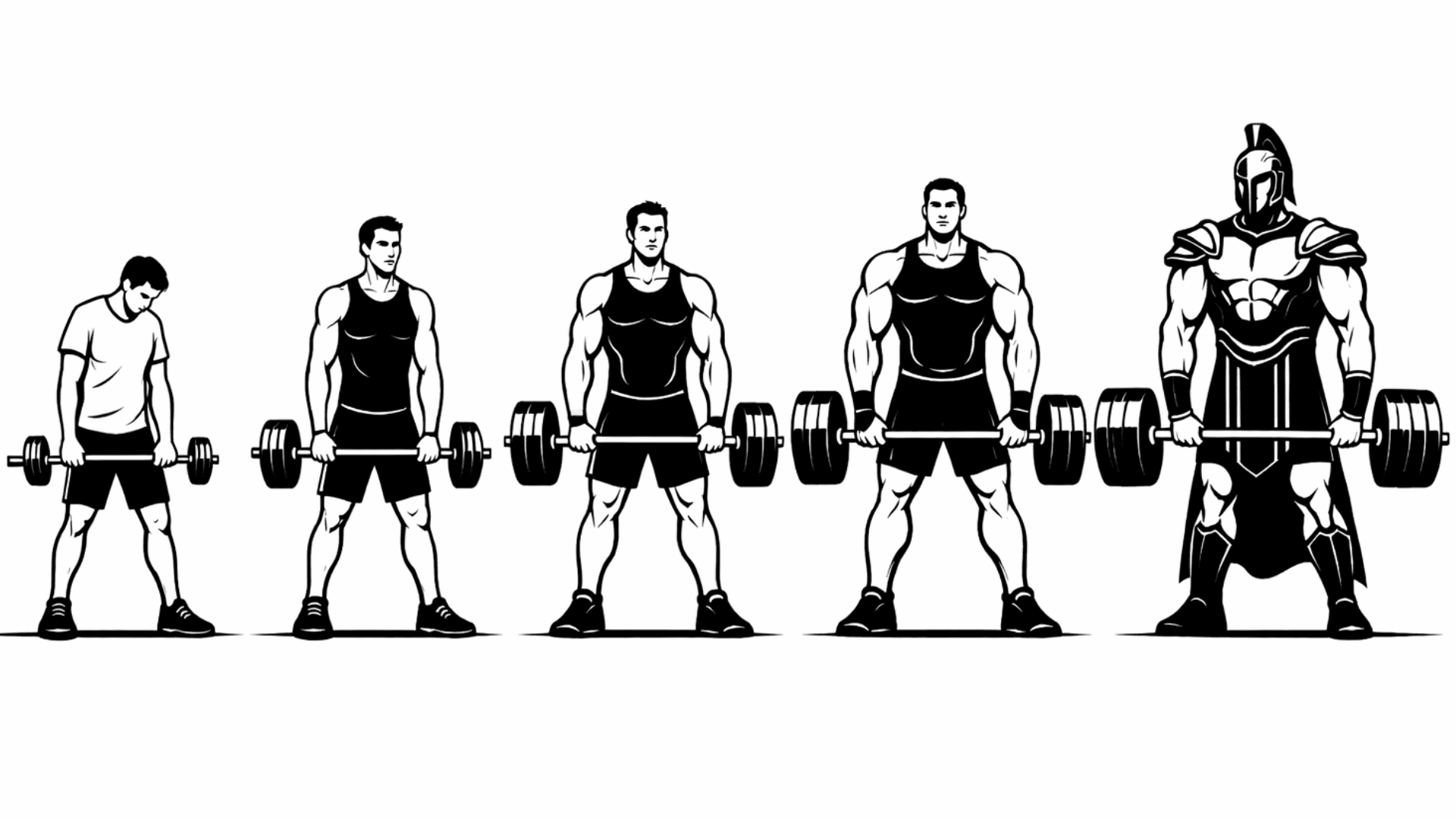
GZCLP organizes training into three tiers:
- T1 (Heavy): low reps, highest intensity, main lift focus.
- T2 (Moderate): medium reps, building volume and skill.
- T3 (Light): higher reps for accessory work and weak points.
Most weeks include four sessions, but many lifters run a three-day rotation by spacing sessions across the week. Each session includes a T1, T2, and T3 lift with clear progression rules.
A common weekly flow looks like this:
- A1: T1 Squat, T2 Bench, T3 Back
- B1: T1 Press, T2 Deadlift, T3 Row
- A2: T1 Bench, T2 Squat, T3 Back
- B2: T1 Deadlift, T2 Press, T3 Row
Progression rules
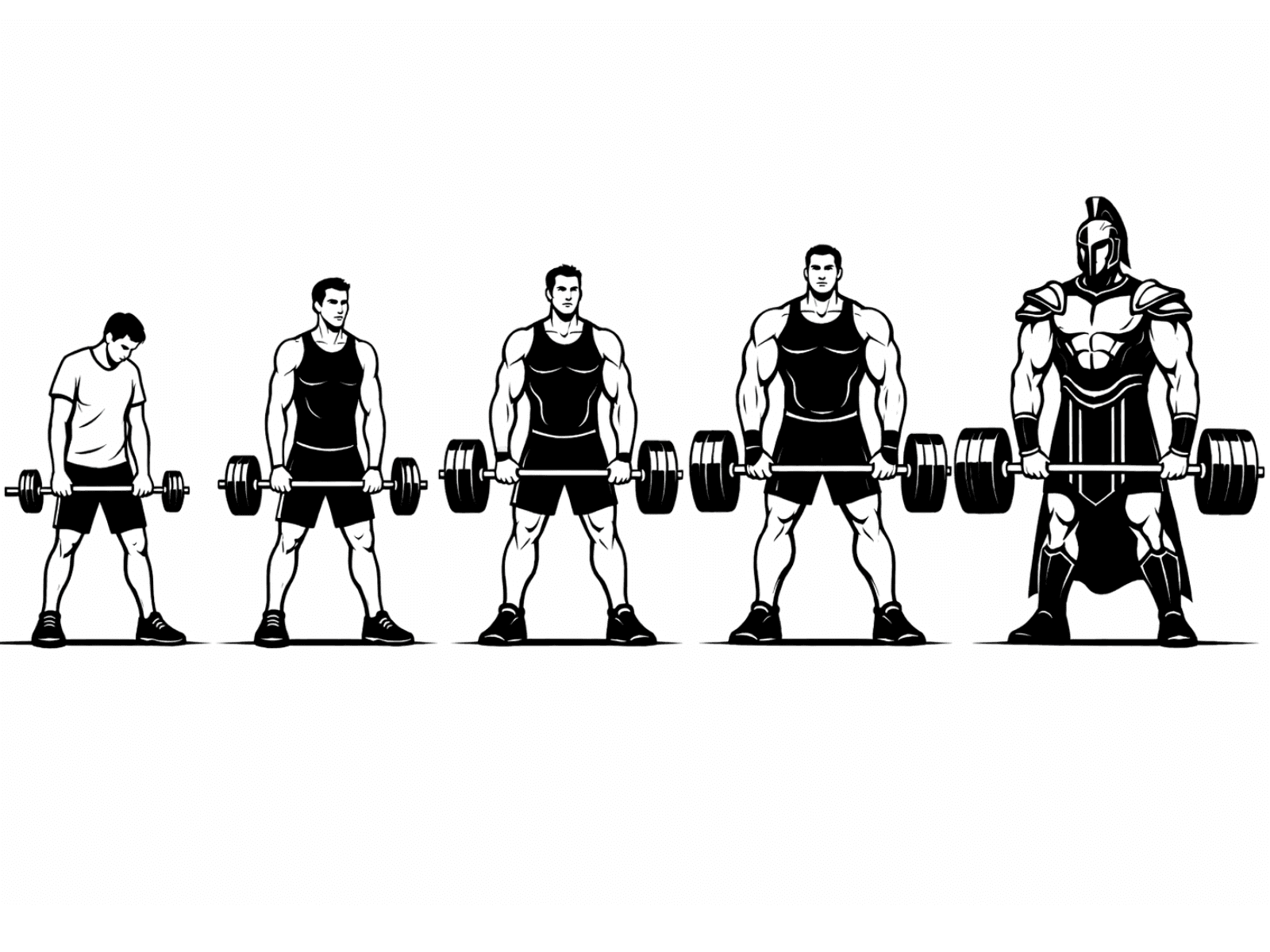
Progression is built into each tier:
- T1: add weight when you hit the rep target on the final set (often an AMRAP set).
- T2: add weight when you complete the rep target across all sets.
- T3: add reps first, then add weight when the top of the rep range is consistent.
If you miss the T1 target, you follow a staged stall protocol that reduces reps while keeping intensity. This keeps progress moving without a full reset.

Session setup and rest
- T1 sets are heavy and need longer rest periods (3 to 5 minutes).
- T2 sets can use 2 to 3 minutes.
- T3 sets are lighter and can use shorter rest, but still avoid rushing.
Use warm-up sets that mirror the main lift pattern. Good warm-ups improve technique and reduce fatigue during work sets.
Why It Works for Strength
GZCLP uses linear progression at the top tier while building enough volume to improve technique and muscle balance. The heavy T1 sets drive neural strength gains. The T2 and T3 work provide the extra practice and hypertrophy stimulus that keep progress stable longer.
This structure helps lifters avoid early plateaus. Instead of only adding weight on a single set scheme, you have multiple ways to progress: heavier T1 loads, stronger T2 volume, and improved T3 accessory capacity. The result is a broader base that supports heavier lifting later.
For more background on progression models, see Linear Progression Explained and When You Are Not a Novice Anymore.
Common Beginner Mistakes
- Turning T3 into junk volume. Keep T3 targeted and limited. It should support the main lifts.
- Using AMRAP sets as max effort. Stop 1 to 2 reps before failure to keep form clean.
- Skipping the stall protocol. The protocol is the plan. Use it instead of improvising.
- Adding too many extra movements. Keep the core structure intact before you customize.
- Resting too little on T1. Heavy sets need full rest to maintain bar speed.
If your loading jumps are too aggressive, review How to Add Weight to the Bar Without Getting Hurt. If you are unsure about readiness, read Sleep Debt and Performance.
Pillars Check
GZCLP works best when diet and recovery keep pace with the higher training volume.
Diet considerations
- Maintain a slight calorie surplus if strength progress is the goal.
- Prioritize protein at every meal to recover from frequent sessions.
- Use carbs around training to maintain bar speed on T1 and T2 work.
For more guidance, see the Diet pillar.
Recovery considerations
- Sleep consistently; the higher volume makes sleep quality more important.
- Manage stress and keep total weekly load predictable.
- Plan a lighter week if bar speed slows for multiple sessions.
For more guidance, see the Recovery pillar.
When to Move On
You can run GZCLP for a long time, but you will eventually need slower progression or more specialized programming.
Signals to move on:
- The stall protocol repeats multiple times with no progress.
- You cannot recover from T1 work despite consistent sleep and food.
- You need a program that targets a specific performance goal or sport season.
If you want a slower, long-term progression model, consider 5/3/1. If you are still early in your lifting journey and want simpler sessions, a short reset with Starting Strength can rebuild technique and momentum.
FAQ
How many days per week should I run GZCLP? Three to four sessions per week works for most lifters. Choose a schedule you can sustain.
Do I have to use AMRAP sets? They are recommended for autoregulation, but you can cap reps if form degrades.
What if my T1 stalls quickly? Follow the stall protocol and reduce reps before changing the program.
How much T3 work should I do? Start with one to two T3 movements per session and add only if recovery is solid.
Can I change exercises often? Change accessories occasionally, but keep T1 lifts consistent for progression.
Is GZCLP good for athletes? Yes, as long as you manage total fatigue and adjust volume during heavy sport seasons.
When should I deload? Deload when bar speed slows for multiple sessions or sleep and soreness worsen.
Sources / Further Reading (placeholders only)
Evidence note: Add citations for the original program and key claims in this guide.
- GZCL method overview (source link to add).
- Resistance training volume and progression basics (source link to add).