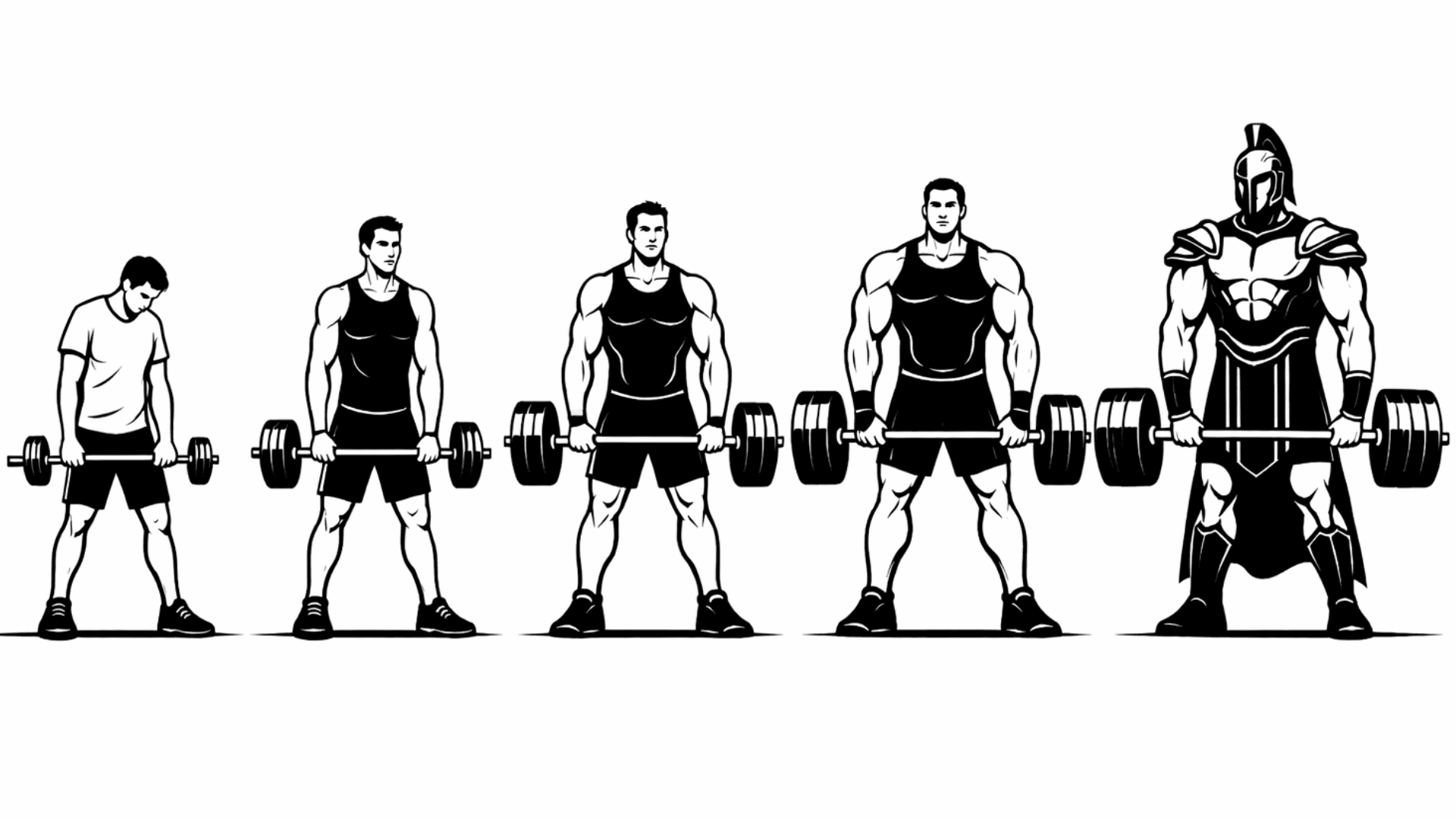
Linear progression is simple and powerful, but it is not forever. At some point, the body stops adapting fast enough to add weight every session. This post shows how to recognize that moment and how to transition without derailing your progress.
TL;DR
- Periodization is planned variation in volume and intensity over time.
- If you repeat weights for weeks despite good recovery, it’s time to change.
- The transition should be gradual, not a complete overhaul.
- Weekly progression models like GZCLP and 5/3/1 are the most common next steps.
What to do this week
- Review your last 4–6 weeks of training and identify repeated stalls.
- If you have to repeat the same weight multiple times, stop forcing daily jumps.
- Choose a simple weekly progression plan: GZCLP or 5/3/1.
- Keep the main lifts the same; change the progression model, not the whole exercise list.
- Tighten recovery habits before you change programs.
What periodization actually means
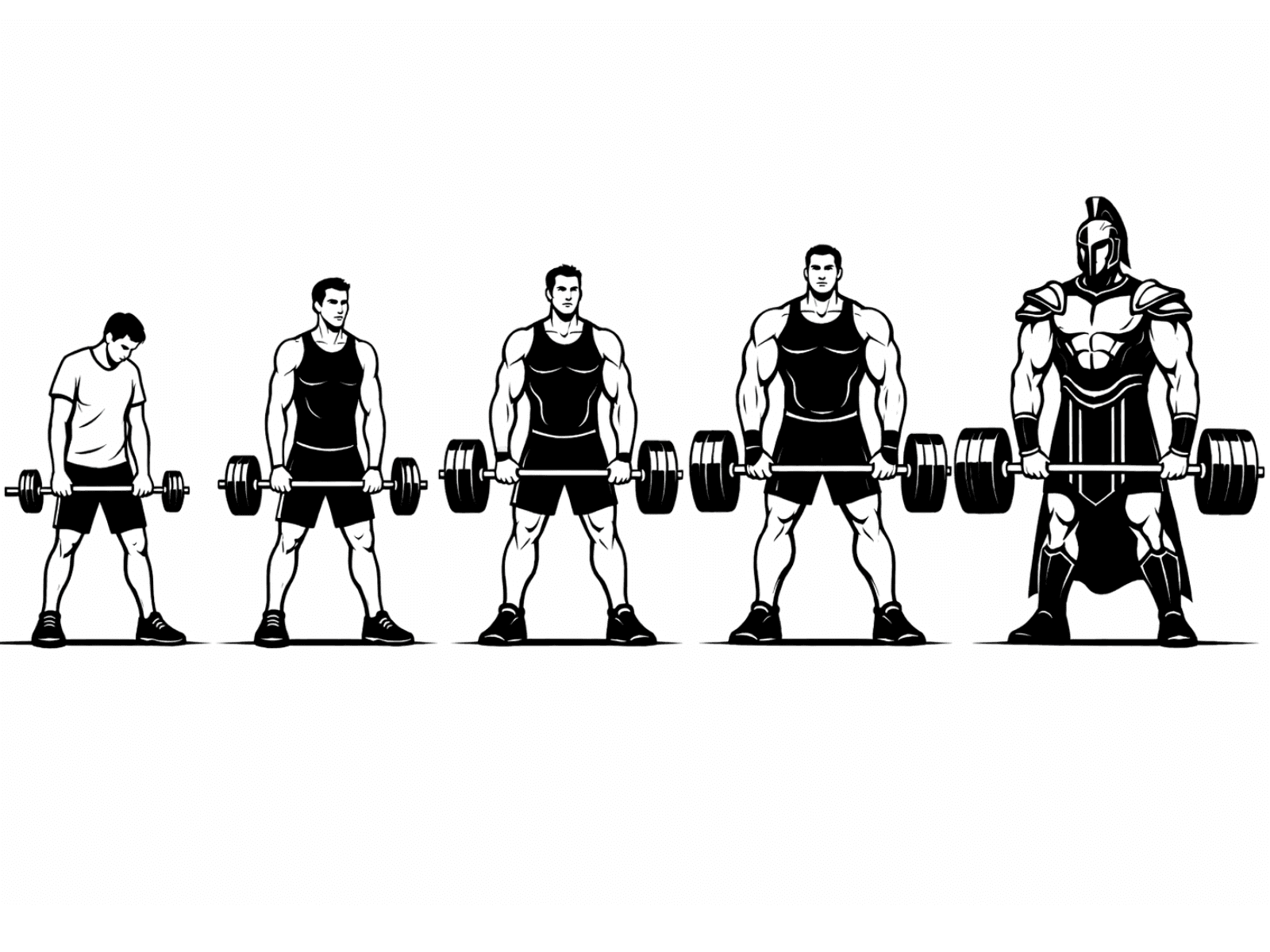
Periodization is planned variation. Instead of trying to add weight every session forever, you plan phases of volume, intensity, and recovery. The goal is to keep progress moving while managing fatigue.
Common periodization ideas include:
- Weekly progression instead of daily jumps.
- Planned deload weeks.
- Blocks that emphasize different rep ranges over time.
Think of it as a schedule for stress. You decide when to push and when to recover instead of reacting after you are already run down.
Evidence note: Add sources on periodization models and progression outcomes.
Signs you are done with novice linear progression
The signal is not a single missed rep. It is a consistent pattern of stalls.
Clear signals
- You repeat the same load for multiple weeks despite good sleep and food.
- Bar speed is slow even after deloads or resets.
- Technique breaks down at loads that were recently comfortable.
- Recovery takes longer than 48–72 hours between sessions.
You should know
If a single lift stalls while others progress, adjust that lift first. A full program change is not always necessary.
The simplest transition path
You do not need a complex program to move beyond novice gains. The best transition is usually a weekly progression plan with minimal changes to exercise selection.
Two reliable options:
- GZCLP: keeps linear progression but adds tiers and a stall protocol.
- 5/3/1: uses monthly cycles and submaximal training maxes for long‑term progress.
Both let you keep squat, bench, deadlift, and press as the foundation while adjusting how you progress.
What periodization looks like in practice
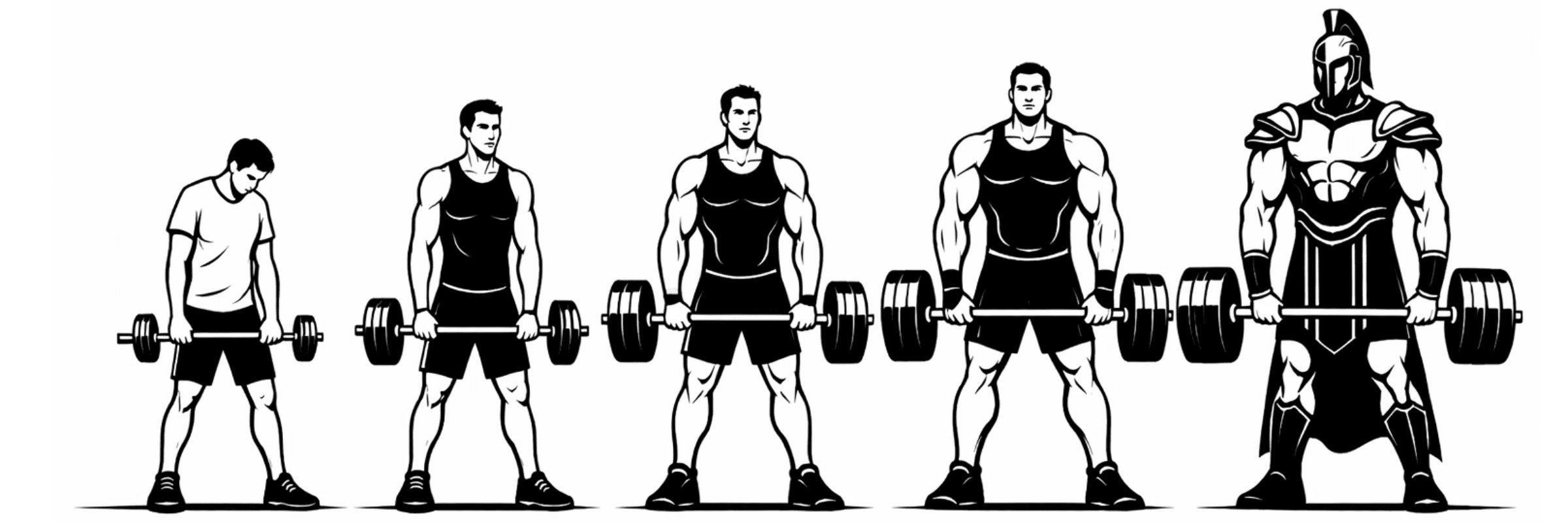
A simple periodized week might look like this:
- Heavy day: lower reps, higher weight, main lift focus.
- Volume day: moderate reps, more total sets.
- Technique day: lighter loads and strict form.
The exact schedule is less important than the structure. You are managing stress so you can progress weekly instead of daily.
How to pick your first periodized model
Most beginners do best with the simplest option that still slows the pace. Two practical choices are a weekly progression model or a monthly cycle model.
Weekly progression model
- Progress each lift once per week.
- Keep the main lifts the same.
- Use a repeat week when performance dips.
Monthly cycle model
- Use a training max and build in lighter weeks.
- Progress the training max slowly each cycle.
- Keep assistance volume stable so recovery stays predictable.
If you are not sure which to pick, choose the model with fewer moving parts and fewer exercise changes. The more stress you have outside the gym, the more you should value simplicity.
How to set starting weights
The transition fails when you start too heavy. A simple rule is to back off slightly so you can rebuild momentum. For example:
- Use a weight you can lift cleanly for multiple sets without grinding.
- Keep 1 to 2 reps in reserve on most work sets.
- Add load only when bar speed and technique stay consistent.
Evidence note: Add sources on training max selection and progression pacing.
A simple transition checklist
Use this list before you change programs:
- You have repeated the same weight for at least two full weeks.
- Sleep and food are consistent but performance is still flat.
- Technique is stable, but bar speed is slow.
- You are recovering slower than 48–72 hours between sessions.
If most of these are true, it is time to move to a weekly progression model.
Do not wait for a full crash. A smooth transition keeps progress moving and protects technique.
A four‑week transition plan
You do not need a dramatic reset. Use a gradual shift:
Week 1: Keep your current lifts but reduce jumps to the smallest plates. Week 2: Introduce a repeat day instead of adding load every session. Week 3: Move to weekly progression for the main lifts. Week 4: Choose a structured plan like GZCLP or 5/3/1.
This approach keeps your technique intact and reduces the shock of a new structure.
Why the change matters for strength
The body adapts in waves. As training age increases, recovery and fatigue management matter more than raw effort. Periodized approaches let you manage volume and intensity so the heavy work stays productive.
If you keep forcing daily jumps, you often sacrifice form and recovery. Periodization slows the pace but keeps progress steady over months and years.
You should know
Switching programs does not fix bad recovery. Improve sleep and food first so the new plan actually works.
What to track during the transition
Keep the data simple. Track only a few signals so you can see whether the new structure is working:
- Top set weight and reps for each main lift.
- How the last rep felt (smooth or grind).
- Body weight trend and sleep hours.
If performance stabilizes and recovery improves, the transition is working. If performance drops for multiple weeks, reduce volume or reset the training max before you add more work.
Common mistakes when transitioning
- Changing too many variables at once. Keep the main lifts, change the progression model.
- Choosing a complex plan too early. Simple weekly progression works for most lifters.
- Adding more volume because progress slowed. Extra volume often worsens recovery.
- Ignoring technique quality. Poor technique turns “periodization” into random fatigue.
For technique cleanup, review Technique Priorities: Squat, Bench, Deadlift.
Pillars Check
Transitioning well requires all three pillars to work together.
Workout
- Keep the main lifts consistent and track weekly progress.
- Use planned deloads instead of waiting for a crash.
Diet
- Maintain stable protein intake and sufficient total calories.
- Use carbs around training to support heavier sessions.
Recovery
- Sleep consistently and manage stress outside the gym.
- Adjust training load when recovery trends down.
See the Workout, Diet, and Recovery pillars.
FAQ
How do I know I am no longer a novice?
If you cannot add weight session‑to‑session for multiple weeks despite solid recovery, you are ready for weekly progression.
Do I need a complex program to periodize?
No. Simple weekly progression models are enough for most lifters.
Can I stay on linear progression longer?
Yes, if small jumps and repeat weeks keep progress moving without grinding.
What if only my bench stalls?
Use smaller jumps or adjust volume for that lift before changing the whole program.
Which program should I pick first?
What should I read next?
Start with Linear Progression Explained and Starting Strength vs GZCLP.
Sources (to add)
Evidence note: Add citations for periodization outcomes and progression guidelines.
- Periodization overview (source link to add).
- Strength training progression guidelines (source link to add).