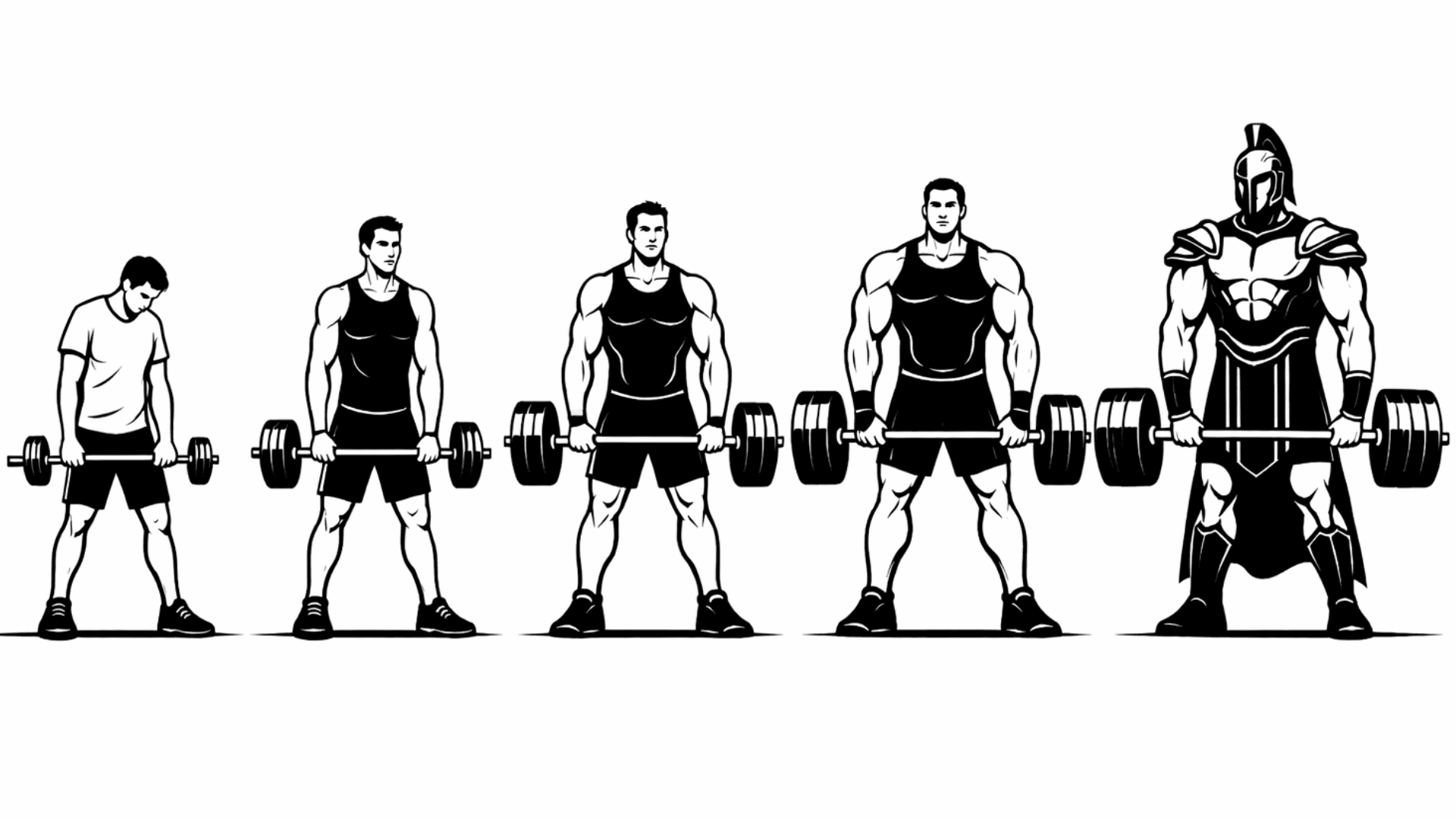
Recovery is where the strength adaptation happens. Training is the input, recovery is the conversion. Skip recovery and the signal is wasted.
Recovery is non-negotiable because it determines how much training you can absorb. You do not get stronger in the gym. You get stronger between sessions, when sleep, food, and stress are aligned. That is why recovery deserves its own plan always for most lifters.
You should know
If your recovery is weak, your program will feel harder even if it is perfect on paper.
Start here
Keep recovery simple. You only need a few habits to unlock progress.
Start this week:
- Set a consistent bedtime and wake time.
- Take one full rest day per week.
- Reduce volume when you are short on sleep.
- Track one recovery metric in your training log.
First month focus:
- Protect sleep on training nights.
- Keep caffeine earlier in the day.
- Use light movement on off days.
If you can only fix one thing, fix bedtime. A consistent sleep window solves more recovery problems than any supplement or gadget. Start there before you add complexity.
Recovery foundations
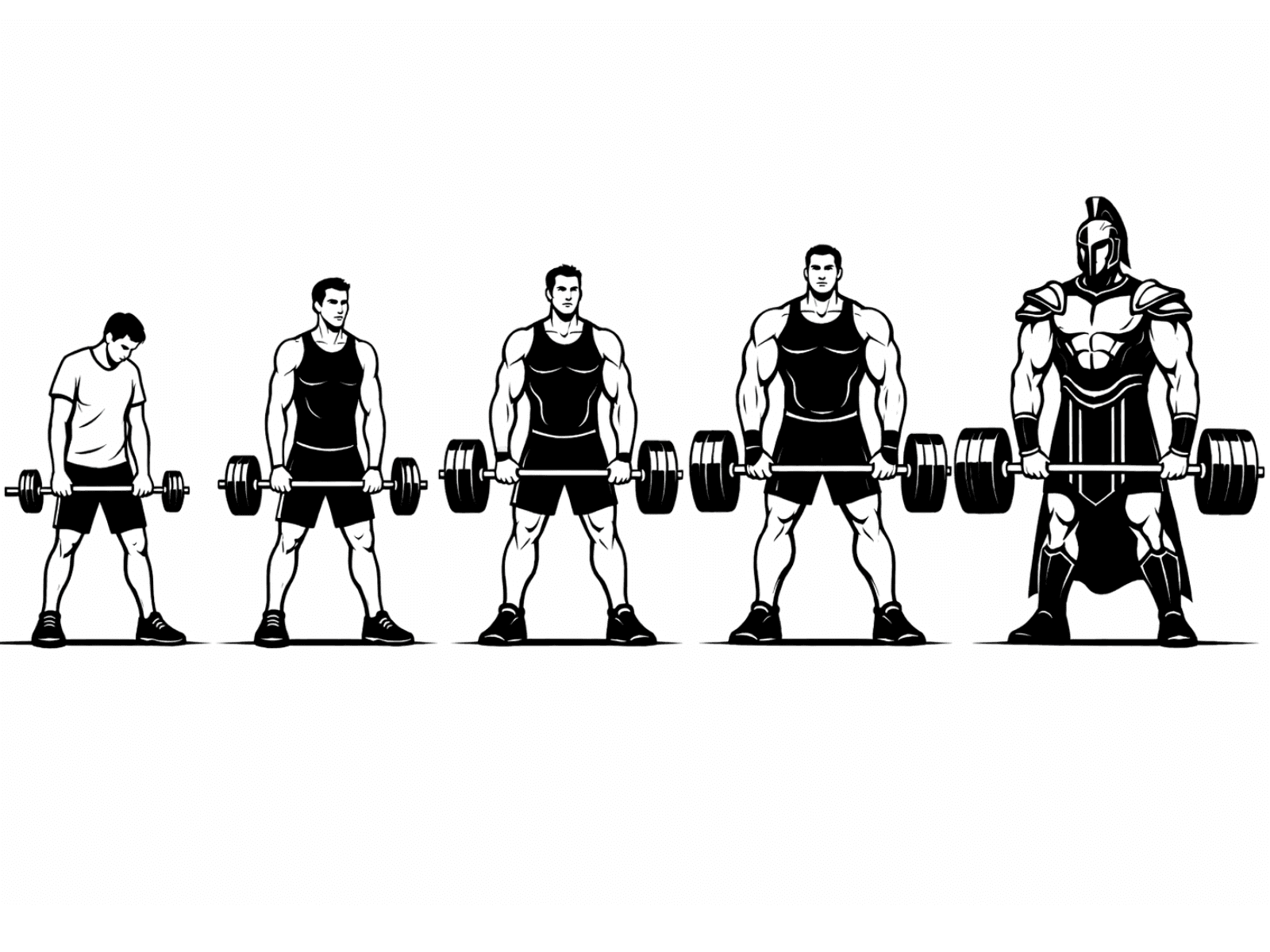
Recovery is not passive. It is the daily work that makes training effective.
Core foundations:
- Sleep 7 to 9 hours whenever possible.
- Eat enough to match training stress.
- Manage life stress so it does not pile on top of training.
- Use light movement to reduce stiffness.
You should know
Recovery is not optional volume. It is part of the program.
Daily recovery rituals
Small routines add up faster than big one-off fixes. Use simple rituals you can repeat:
- Morning light exposure to anchor your sleep schedule.
- A short walk after meals to reduce stiffness.
- A consistent wind-down routine 30 to 45 minutes before bed.
- A short note in your training log about how you slept.
These small actions are not exciting, but they make recovery predictable, which makes training predictable.
Sleep and stress
Sleep is the highest leverage recovery tool. If sleep is short, everything else gets harder.
Sleep basics that matter
- Keep bedtime and wake time within a 60 minute window.
- Use a wind-down routine that signals the end of the day.
- Keep the room cool, dark, and quiet.
Stress is hidden training volume
Life stress adds fatigue just like training does. If work or school stress rises, your training stress should go down for that week.
You should know
When stress is high, lower training stress instead of changing the program.
For a deeper dive, read Sleep Debt and Strength Performance.
Sleep debt ledger
If you want a simple way to see recovery risk, track sleep debt. Use a weekly ledger:
- Target sleep per night.
- Actual sleep per night.
- Total hours lost across the week.
If the weekly debt is more than 7 to 10 hours, lower training stress until you recover. You do not need a wearable. A notebook works.
Active recovery and daily movement
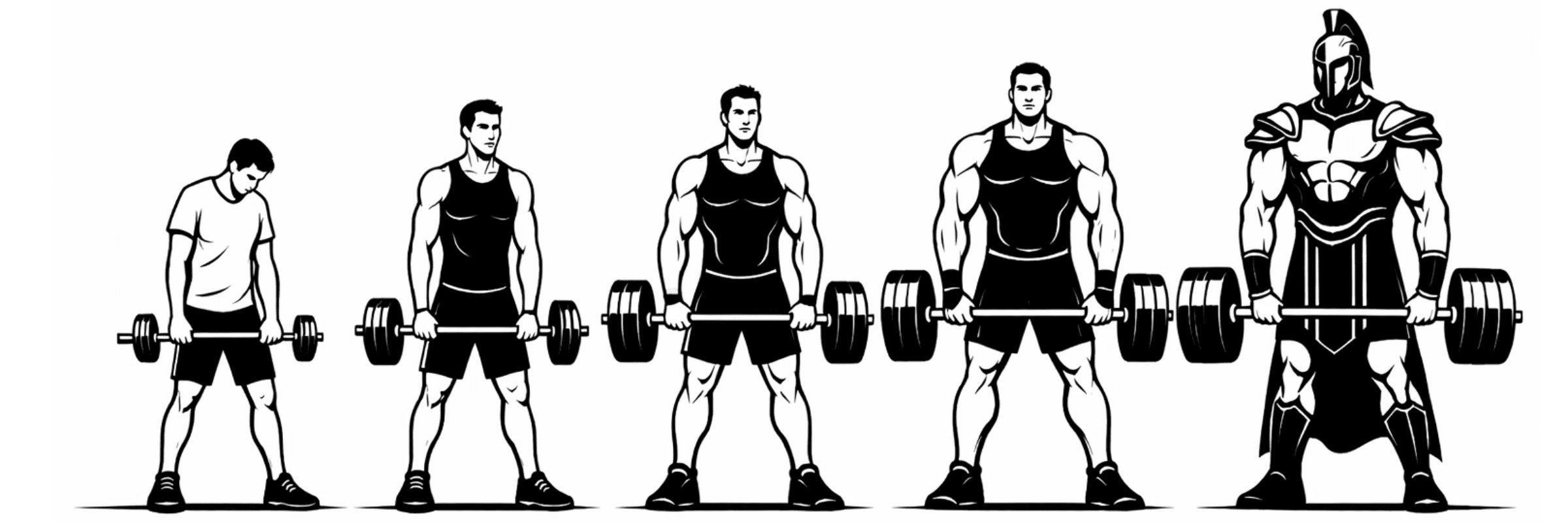
Active recovery is low-intensity movement that keeps joints healthy and reduces stiffness. It is not extra training.
Simple options:
- 20 to 30 minutes of walking.
- Easy cycling or rowing at conversational pace.
- Light mobility work for hips, shoulders, and ankles.
Active recovery is most effective after heavy sessions. It should leave you feeling better, not more tired.
You should know
If active recovery makes you sore or fatigued, it is too intense. Keep it easy and short.
Recovery tracking that helps
You do not need a wearable. A simple log works when you use it consistently.
Track these weekly:
- Average sleep hours.
- Soreness level (1 to 5 scale).
- Motivation or focus before training.
- Notes on bar speed for the main lift.
If two or more trend down, reduce training stress for the week. This is how you avoid the big crash that comes from ignoring early signals.
Signs recovery is improving
Look for small positives:
- Warm-ups feel smooth again.
- Bar speed returns on working sets.
- You finish sessions without lingering fatigue.
- Sleep feels more consistent for several nights in a row.
If these signs return, you can gradually increase volume again.
Fatigue management
Fatigue is normal. Unmanaged fatigue is the problem.
When to deload
Use a deload when you see a pattern, not a single bad day:
- You miss reps in two sessions in a row.
- Bar speed slows even with normal effort.
- Sleep and appetite drop together.
A basic deload:
- Reduce load by 10 to 20 percent.
- Cut total sets by about one third.
- Keep technique clean and crisp.
You should know
Deloads protect progress. They are not a reset button.
Other adjustments before a full deload:
- Repeat the same load for one more session.
- Drop one accessory movement for the week.
- Add one extra rest day.
Small changes often restore momentum without a full reset.
Light day option:
- Reduce load by about 10 percent.
- Keep the same sets and reps.
- Focus on speed and perfect form.
A light day can keep the pattern sharp while reducing stress. It is a good option when you feel run down but do not want a full deload.
Soreness vs injury
Soreness is normal after new work. Injury pain is different.
- Soreness improves as you warm up.
- Injury pain is sharp and changes your movement pattern.
If pain changes your form, reduce the load or stop the set. Protect the long-term trend.
If pain persists across multiple sessions, step back and get it evaluated. The goal is to protect the long-term trend, not win a single workout.
How it changes once LP ends
As training volume rises, recovery becomes the limiting factor. Intermediate training only works if recovery improves along with workload.
What changes first
- Planned deloads become routine.
- Light days are added to keep stress manageable.
- Sleep and meal consistency become more important.
What stays the same
- Recovery still starts with sleep.
- Simple adjustments work better than drastic changes.
- Consistent routines beat heroic fixes.
Advanced training is possible only when recovery is stable. If recovery is inconsistent, simplify the training week before adding complexity. At intermediate levels, recovery is the limiter more often than motivation. Plan recovery the same way you plan training. Schedule deloads in advance, keep one lower-stress day each week, and avoid stacking high-stress sessions back to back.
Advanced lifters benefit from longer recovery blocks. That can mean a reduced volume week every 4 to 6 weeks, or a structured light day that protects joints and keeps bar speed high. The goal is to train hard for years, not win one week.
Travel and busy weeks
When sleep is short or schedules are chaotic, reduce volume and keep intensity moderate. Protect the main lifts, trim accessories, and return to normal once your routine stabilizes.
Common mistakes
These mistakes are common and easy to fix.
- Treating caffeine as a recovery tool.
- Training hard on very short sleep.
- Ignoring life stress and pushing volume anyway.
- Skipping rest days because you feel behind.
- Using deloads only after a crash.
- Under-eating during high volume weeks.
Fixes that work:
- Move caffeine earlier and cut it if sleep is poor.
- Reduce volume for one week instead of skipping training entirely.
- Add one full rest day and protect it.
- Use the light day option when stress is high.
- Increase calories slightly during high volume blocks.
If you are stuck, reduce volume for one week, stabilize sleep, and return to normal. Small resets are more effective than big overhauls. If progress returns after a reset, the program was never the problem. Recovery was.
How this pillar interacts with the other two
Recovery makes training adaptations stick and supports consistent eating.
- Workout: lower fatigue lets you train hard and progress. See Workout.
- Diet: steady calories improve sleep quality and muscle repair. See Diet.
When recovery is strong, you can train more and still improve. When recovery is weak, even a simple program will stall. Recovery also controls consistency. Stable sleep and stress make it easier to follow the Workout plan and keep Diet habits steady. If you want faster progress, aim for steady recovery first. It is the multiplier that makes every training session count.
Beginner path
Start with recovery habits that match a simple program.
Programs:
Related reading:
- Sleep Debt and Strength Performance
- How to Deload: When, Why, and How Much
- Rest Days vs Active Recovery
- Soreness vs Fatigue vs Injury
FAQ
How much sleep do I need for strength gains?
Most lifters do best with 7 to 9 hours. Consistency matters more than perfection.
Should I train after a bad night of sleep?
Train with lower volume and avoid grinders. Save the heavy work for better sleep days.
How often should I deload?
As needed, usually every 4 to 8 weeks depending on training stress and recovery.
Is soreness a good sign?
Not always. Soreness means you did something new, not that it was effective.
Can I recover without supplements?
Yes. Sleep, food, and stress management come first.
What if I feel tired all the time?
Check sleep, total stress, and calorie intake before you change programs.
Sources (to add)
Evidence note: Add citations for key claims in this article.
- Author, A. (Year). Sleep restriction and resistance training recovery.
- Author, B. (Year). Fatigue management and deload strategies.
- Author, C. (Year). Stress, recovery, and training adaptation.