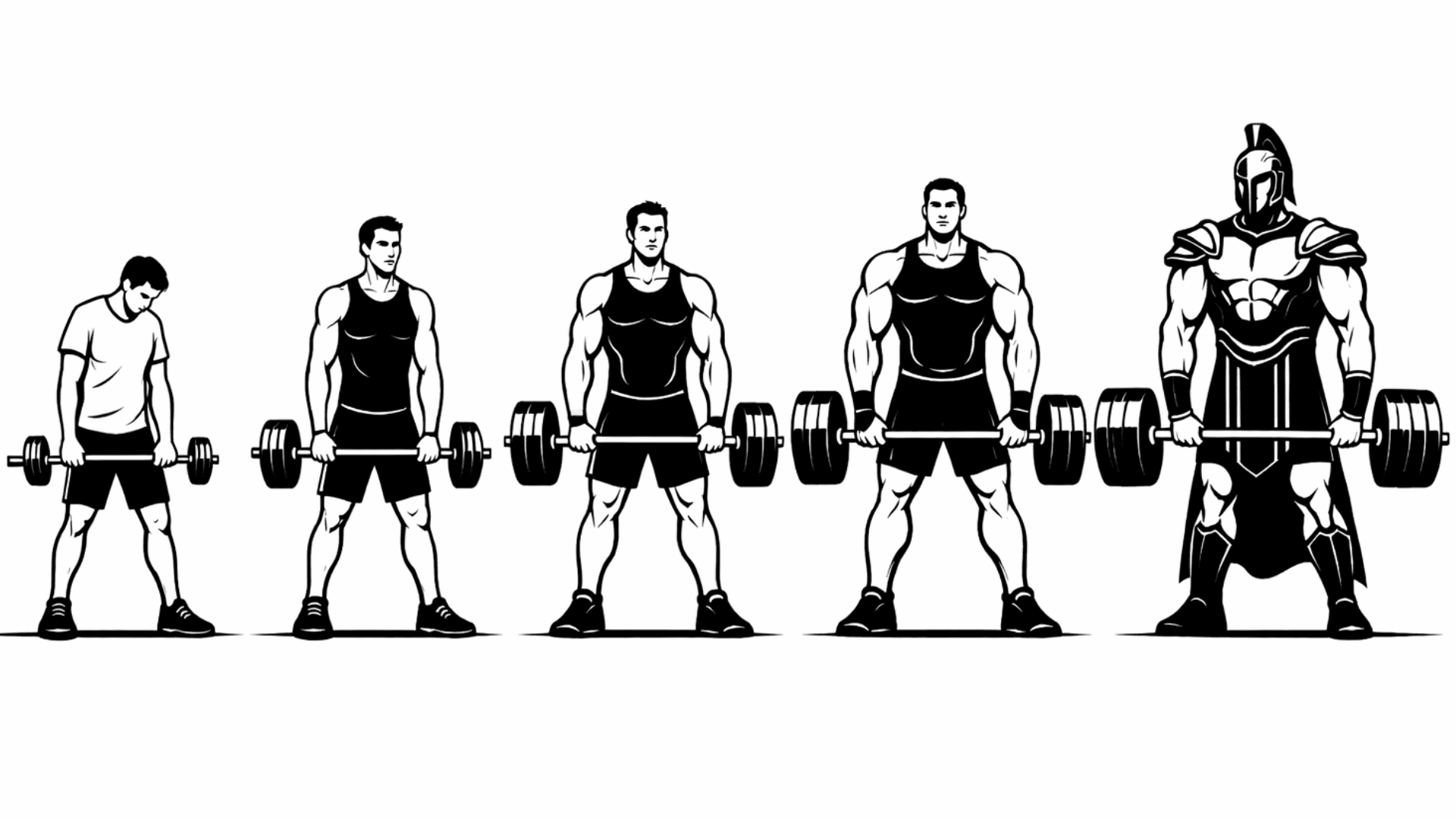
Linear progression is the fastest way for a beginner to get stronger. It is also the easiest way to waste time if you run it with sloppy form, huge jumps, or poor recovery. This guide explains what it is, why it works, why it stalls, and how to keep it productive.
TL;DR
- Linear progression means adding small weight each session while form stays clean.
- It works fast because beginners adapt quickly to simple, repeated training.
- It stops when recovery can’t keep up with session‑to‑session jumps.
- You can extend it with smaller jumps, repeat weeks, and better recovery habits.
- When stalls repeat, move to weekly progression or periodization.
What to do this week
- Pick a linear progression program: Starting Strength or GZCLP.
- Choose small jumps: 2.5–5 lb for upper body, 5–10 lb for lower body.
- Keep reps clean and stop 1–2 reps before failure.
- Track every set and note bar speed or form breakdown.
- Plan sleep and food so you can recover between sessions.
What linear progression actually is
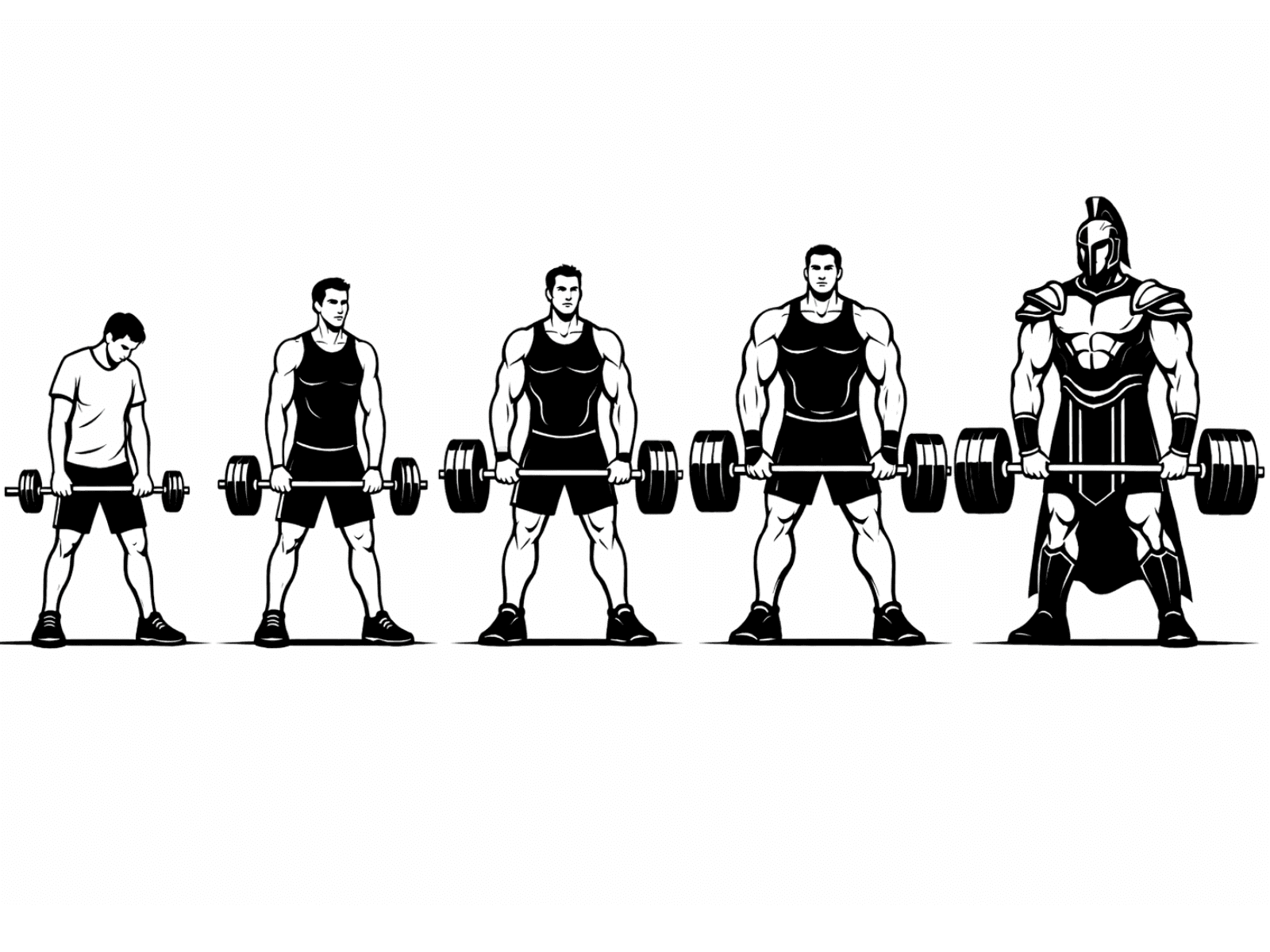
Linear progression is a simple rule: if you hit the target reps with good form, add a small amount of weight next session. The exercises stay the same, the structure stays the same, and the plan stays predictable.
The point is not to max out. The point is to practice the same lifts often enough to learn technique while the load climbs at a sustainable pace.
Pick a rep scheme you can repeat
Most novice programs use 3 sets of 5, 3 sets of 3, or a small variation of that. The exact number matters less than repeatability. Choose a scheme you can execute with consistent form for multiple weeks.
- 3x5: balanced and common for novices.
- 5x3: slightly heavier, less total volume.
- 3x3: useful when loads get heavy and recovery is tight.
Train the main lifts often
Linear progression works best when the same compound lifts repeat frequently. That repetition builds skill. Skill is strength. If you rotate exercises too often, your technique never stabilizes and the load stalls sooner.
You should know
Linear progression works best when you repeat the same lifts and the same rep ranges for weeks, not days.
Why it works so well for beginners
Beginners are highly sensitive to training stress. Small, consistent loads produce rapid improvements in skill, coordination, and strength. Frequent practice teaches the nervous system how to move efficiently while the muscles adapt to higher loads.
Linear progression also keeps decision‑making simple. You show up, lift, and add a small amount of weight. That clarity removes noise, which is exactly what beginners need.
Evidence note: Add sources on beginner adaptation and motor learning in resistance training.
How to run linear progression well
A linear progression is only as good as its rules. These rules keep it sustainable.
Use small jumps
Big jumps create fast stalls. Small jumps keep the training signal clean and repeatable.
- Upper body: +2.5 to +5 lb
- Lower body: +5 to +10 lb
Keep reps clean
If you grind every rep, progression will stop quickly. Leave 1–2 reps in reserve so you can repeat quality work.
Track every session
A simple log is enough. Record the weight, reps, and a brief note about bar speed or form. This is how you spot stalls before they turn into plateaus.
Warm up with intent
Warm‑ups are practice, not fatigue. Use a ramp method to rehearse technique without draining energy. See Warm‑Up Sets for Squat/Bench/Deadlift.
How to track progress without guessing
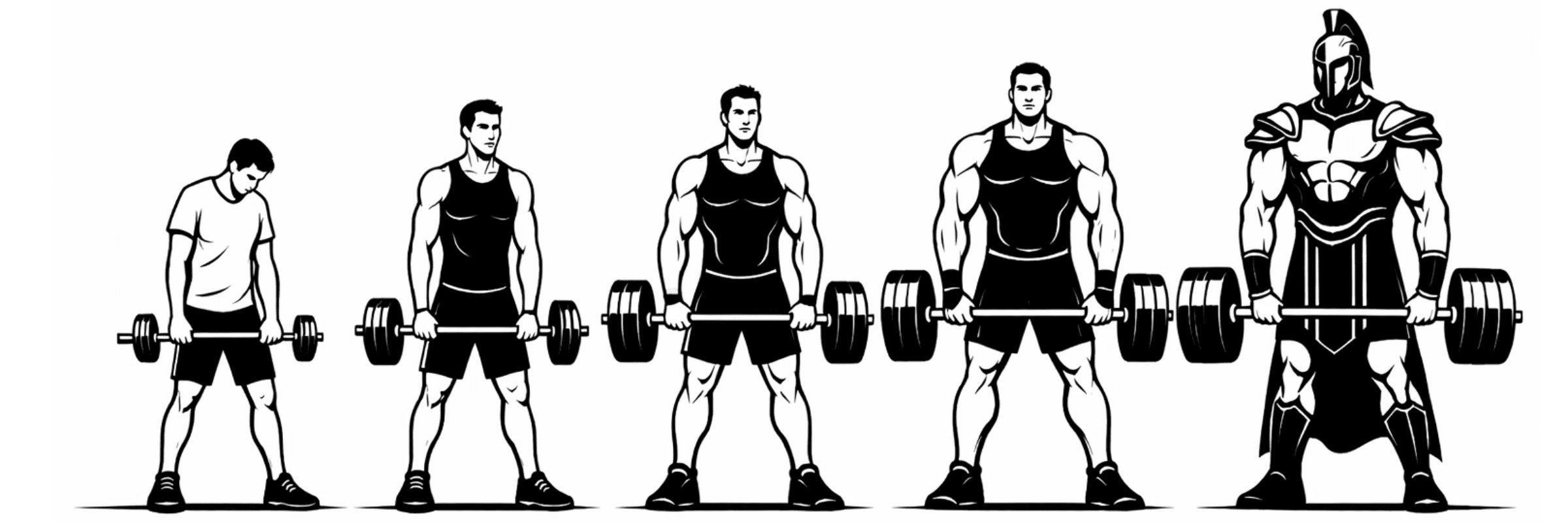
Progress is more than the load on the bar. Track a few simple markers:
- Bar speed: Was the last rep smooth or slow?
- Form notes: Did you lose position or balance?
- Recovery: Did you feel ready by the next session?
If any of those markers trend downward for two weeks, adjust before you increase load again.
You should know
A missed rep is information. Repeat the load and clean the technique before you chase a PR.
Example 4‑week progression
Here is a simple way a novice might progress on squat while using small jumps:
- Week 1: 135 x 5 x 3, 140 x 5 x 3, 145 x 5 x 3
- Week 2: 150 x 5 x 3, 155 x 5 x 3, 160 x 5 x 3
- Week 3: 165 x 5 x 3, 165 x 5 x 3 (repeat), 170 x 5 x 3
- Week 4: 175 x 5 x 3, 180 x 5 x 3, 170 x 5 x 3 (short reset)
The numbers are less important than the pattern: small jumps, repeat when needed, and reset before form breaks down. This keeps the training signal clean and the recovery cost manageable.
If your sessions feel heavy at the start of a week, reduce the jump size before you reduce the total work. A smaller jump keeps the plan intact and preserves the habit of consistent progression.
Why linear progression stops working
It stops when recovery can no longer match the stress of session‑to‑session increases. That can happen for several reasons:
- The jumps are too large.
- Sleep and food are not supporting the training load.
- Training volume is too high for your recovery capacity.
- Technique is breaking down, which makes each session more stressful.
This is normal. It is not a failure. It simply means the program has delivered its beginner gains.
How to extend linear progression without ego
You can often extend it by tightening the basics.
- Reduce jumps to the smallest plates you can load.
- Repeat the same weight if a rep is slow or messy.
- Use a small reset (5–10%) when you miss twice.
- Reduce accessory work if recovery is slipping.
Technique work matters here. Review Technique Priorities: Squat, Bench, Deadlift to clean up the movement before you chase new load.
You should know
Most linear progression stalls are recovery problems, not effort problems. Fix recovery before you change the program.
What to do when you miss a lift
Missing a rep does not mean the program is broken. Use a simple response plan:
- Repeat the weight next session and focus on clean reps.
- Use smaller jumps (microloading) if the missed rep was close.
- Reset 5–10% if you miss the same weight twice.
- Reduce accessories for two weeks and rebuild momentum.
This keeps progression alive without turning every stall into a full program change.
When to move on
If you repeat the same weights for multiple weeks despite good sleep and food, it is time to shift to weekly progression or periodization. A good next step is GZCLP or 5/3/1, depending on your goals.
For a full transition guide, read When You’re Not a Novice Anymore.
Pillars Check
Linear progression depends on all three pillars working together.
Workout
- Keep the main lifts consistent and track weekly progress.
- Use small, repeatable jumps instead of chasing PRs.
Diet
- Eat enough total calories to recover between sessions.
- Keep protein consistent and use carbs around training.
Recovery
- Prioritize sleep and manage stress to keep fatigue low.
- Use rest days as part of the plan, not as optional breaks.
See the Workout, Diet, and Recovery pillars for deeper guidance.
FAQ
How long can linear progression last?
Most beginners run it for 8 to 20 weeks depending on recovery, consistency, and starting strength.
Should I add weight every session no matter what?
No. If form breaks or bar speed collapses, repeat the same load and clean it up first.
Do I need to test a 1RM while on linear progression?
No. Save max testing for later. The daily increases are your progress markers.
Is linear progression only for beginners?
It is most effective for novices, but intermediate lifters can use short linear blocks to reset and rebuild.
What if only one lift stalls?
Use smaller jumps on that lift, tighten technique, and keep the other lifts moving.
What should I read next?
Compare beginner programs in Starting Strength vs GZCLP and learn when to transition in When You’re Not a Novice Anymore.
Sources (to add)
Evidence note: Add citations for beginner adaptation, linear progression outcomes, and periodization transitions.
- Linear progression overview (source link to add).
- Resistance training progression guidelines (source link to add).