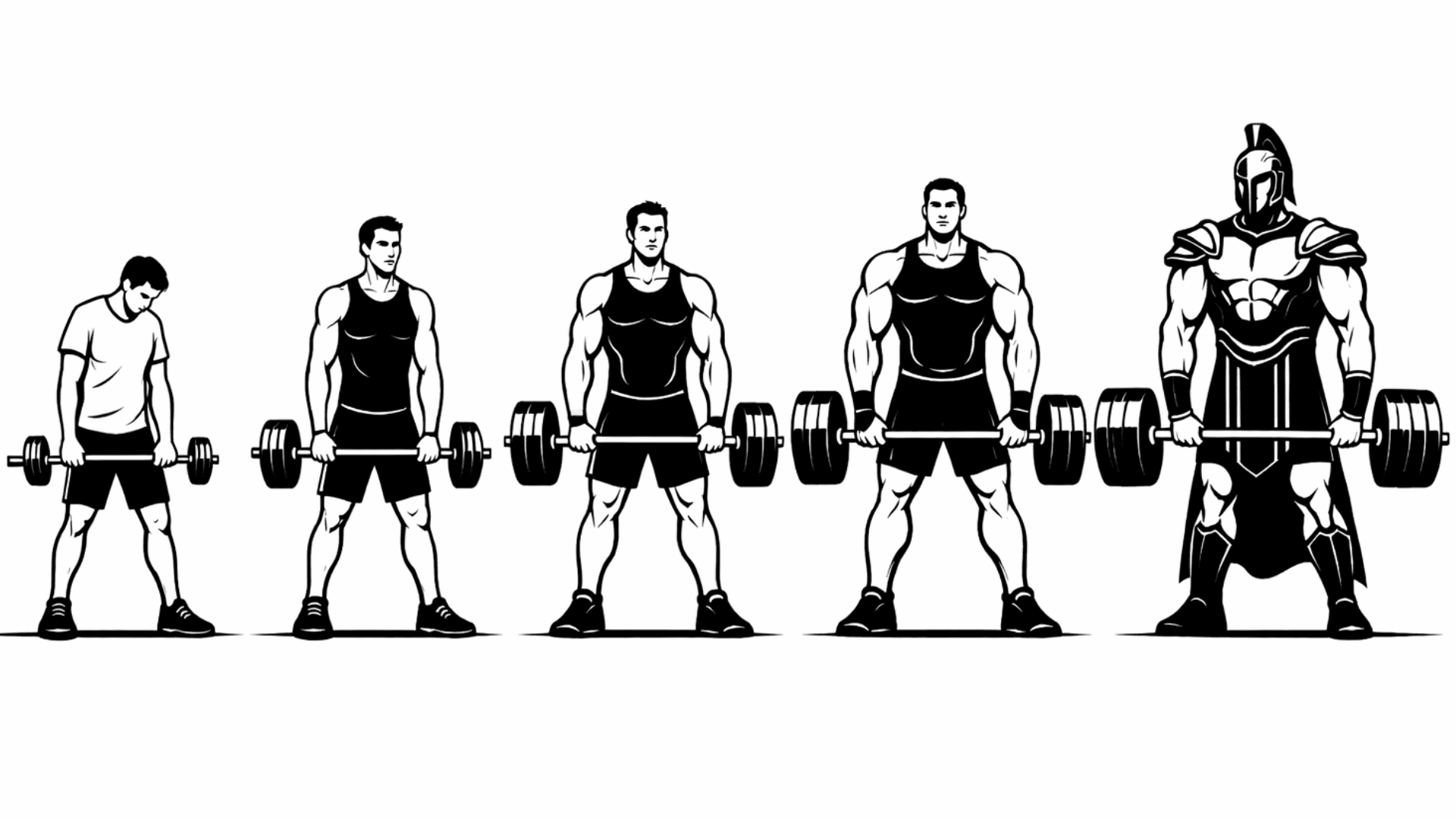
Most beginners do not need long mobility sessions. They need consistent strength training and a few targeted mobility drills that unlock positions. This minimalist approach keeps mobility useful without turning it into a second workout.
TL;DR
- Focus mobility on positions you cannot hit in the main lifts.
- Use short, consistent drills before training.
- Avoid long routines that steal recovery or time.
- Strength training itself improves most mobility over time.
- Add mobility only when a clear restriction exists.
- Track whether your positions improve, not how long you stretch.
What to do this week
- Identify one position that limits your squat, bench, or deadlift.
- Add a 5–10 minute mobility routine before training.
- Use the same drills for two weeks before changing them.
- Film your lift to confirm position improvements.
- Keep the main lifts as the priority.
Why minimalist mobility works
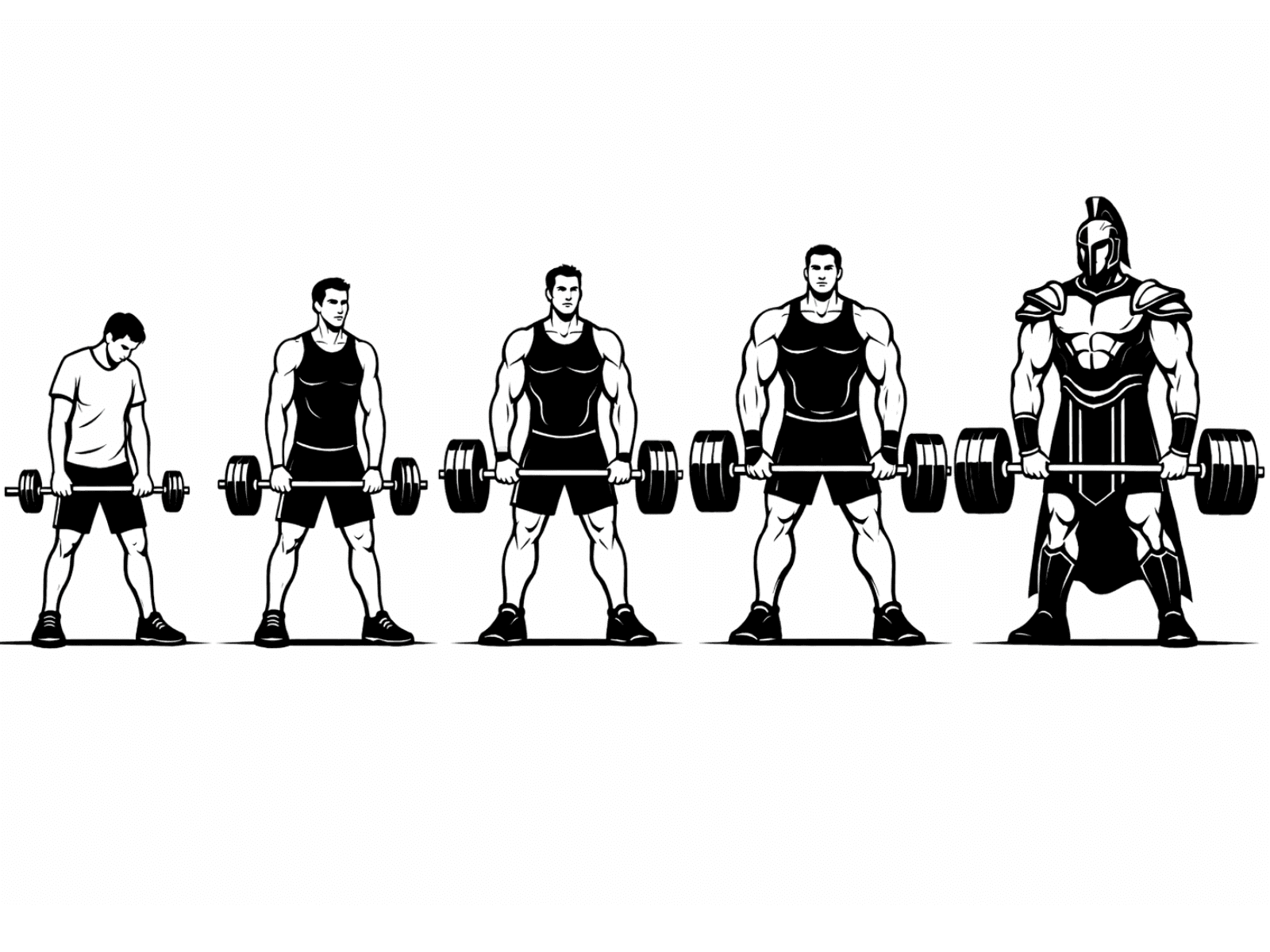
Strength training often improves mobility by itself. The lifts take joints through full ranges of motion with load. Most mobility problems for beginners are really strength or control problems.
Use mobility as a targeted tool, not a default routine. If a position improves, keep the drill. If it does not, change it.
You should know
If you can hit the position with light weight but not heavy weight, the issue is often strength or control, not mobility.
Why you feel tight even when you are not
Many lifters feel “tight” because they sit most of the day. Long sitting changes posture and makes certain positions feel stiff, even if flexibility is fine. The fix is often simple movement, not long stretching routines.
Short walks, brief position work, and consistent lifting usually solve the problem better than long mobility sessions.
Mobility vs flexibility vs stability
These terms get mixed up. Use this simple breakdown:
- Mobility: the ability to reach a position with control.
- Flexibility: the ability to reach a position without load.
- Stability: the ability to hold a position under load.
For strength training, stability and control matter most. Flexibility without control does not transfer to a heavy lift.
The minimalist mobility routine
Use a short routine tied to your lift focus. Keep it consistent and short.
Before squats
- Ankle rocks or calf stretches
- Hip flexor stretch or couch stretch
- Bodyweight squat holds for position awareness
Before bench
- Thoracic spine extensions
- Shoulder external rotation drills
- Light band pull‑aparts
Before deadlifts
- Hamstring mobility drills
- Hip hinge patterning
- Light RDLs or kettlebell hinges
Choose one or two drills. Do not pile on five or six.
A weekly mobility micro‑dose
Instead of long sessions, use short doses:
- Training days: 5–8 minutes before the main lift.
- Rest days: 5 minutes of light mobility if you feel stiff.
If you feel better after two weeks, keep the same routine. If nothing changes, simplify or remove the drills.
How to tell if mobility work is working
Use simple checks:
- You hit depth or position more consistently.
- Your warm‑ups feel smoother and more stable.
- The movement feels easier without extra warm‑up sets.
If none of these improve after two weeks, change the drill or remove it.
You should know
Mobility that never transfers to the lift is wasted time.
A quick self‑assessment before training
Use a quick check so you do not guess:
- Squat: can you hit depth with a stable mid‑foot?
- Bench: can you hold your upper‑back position without shoulder pinching?
- Deadlift: can you hinge without rounding before the bar leaves the floor?
If you cannot, use a targeted drill for that position and keep it short.
Common restrictions and simple fixes
Use one fix at a time so you can see what works:
- Ankles tight in the squat: add calf stretches and ankle rocks before squats.
- Shoulders tight on bench: add thoracic extensions and light band work.
- Hips tight in deadlift: add hinge patterning with a dowel or light RDLs.
If a restriction does not improve after two weeks, the issue may be technique or load selection, not mobility.
Mobility vs technique
Many mobility problems are actually technique problems. Before you add more stretching, clean up your setup and bar path.
Review Technique Priorities: Squat, Bench, Deadlift and Warm‑Up Ramp Sets to reinforce positions with the bar.
When to skip mobility work
If you are short on time, do not skip the main lifts to do mobility. The main lifts are the best long‑term mobility tool.
Skip or reduce mobility work when:
- You already hit the position with warm‑ups.
- You are feeling unusually fatigued.
- The drill does not improve your lift after two weeks.
Mobility should support training, not replace it.
Pre‑lift vs post‑lift mobility
Most mobility work belongs before training so it improves positions. If you feel tight after a session, use short, light mobility after lifting or later in the day. Keep it gentle so it does not add fatigue.
A short, consistent routine beats a long routine done once per month.
How long mobility should take
If your mobility routine takes more than 10 minutes, it is probably too long for a beginner. Keep it short so you have energy for the main lifts and can repeat it every session. If you need more than 10 minutes, simplify the drills before adding time. Short routines done weekly beat long routines done rarely. Consistency is the real mobility multiplier. Keep it simple and repeatable. Short routines are easier to stick with. That is the point. Keep it brief. Stay focused.
Common mistakes
- Doing too much. Long mobility sessions drain time and recovery.
- Changing drills every week. You cannot measure progress without consistency.
- Ignoring lift setup. The best mobility drill is often a better setup.
- Stretching without control. You need strength in the range, not just flexibility.
How mobility fits recovery
Mobility is part of recovery if it improves movement quality. It should not feel like another workout. Keep it easy and repeatable.
If you are chronically stiff or sore, review Recovery 101 and Soreness vs Fatigue vs Injury.
If you are running Starting Strength or GZCLP, use mobility only to improve positions that limit the main lifts. If you need a lower‑stress option, 5/3/1 for Beginners often leaves more recovery room for focused mobility work.
Pillars Check
Workout
- Use mobility to support positions in the main lifts.
- Keep the main lifts as the priority for movement quality.
Diet
- Under‑eating slows tissue recovery and makes tightness worse.
- Consistent protein supports joint and tissue health.
Recovery
- Sleep and stress influence how tight you feel.
- Keep mobility short and consistent so it supports recovery.
See the Workout, Diet, and Recovery pillars for the full foundation.
FAQ
Do I need a long mobility routine to lift well?
No. Most beginners need a few targeted drills, not a long routine.
Should I stretch every day?
Only if it helps your positions. Consistency matters more than frequency.
What if I cannot hit squat depth?
Start with ankle and hip drills and review your setup and stance before adding more exercises.
Is mobility more important than strength?
No. Strength training is the primary driver. Mobility supports it when needed.
What should I read next?
Continue with Technique Priorities: Squat, Bench, Deadlift and Warm‑Up Ramp Sets.
Sources (to add)
Evidence note: Add citations on mobility, range of motion, and strength training outcomes.
- Add source: Mobility and strength performance.
- Add source: Stretching effects on training quality.
- Add source: Range of motion and strength adaptation.