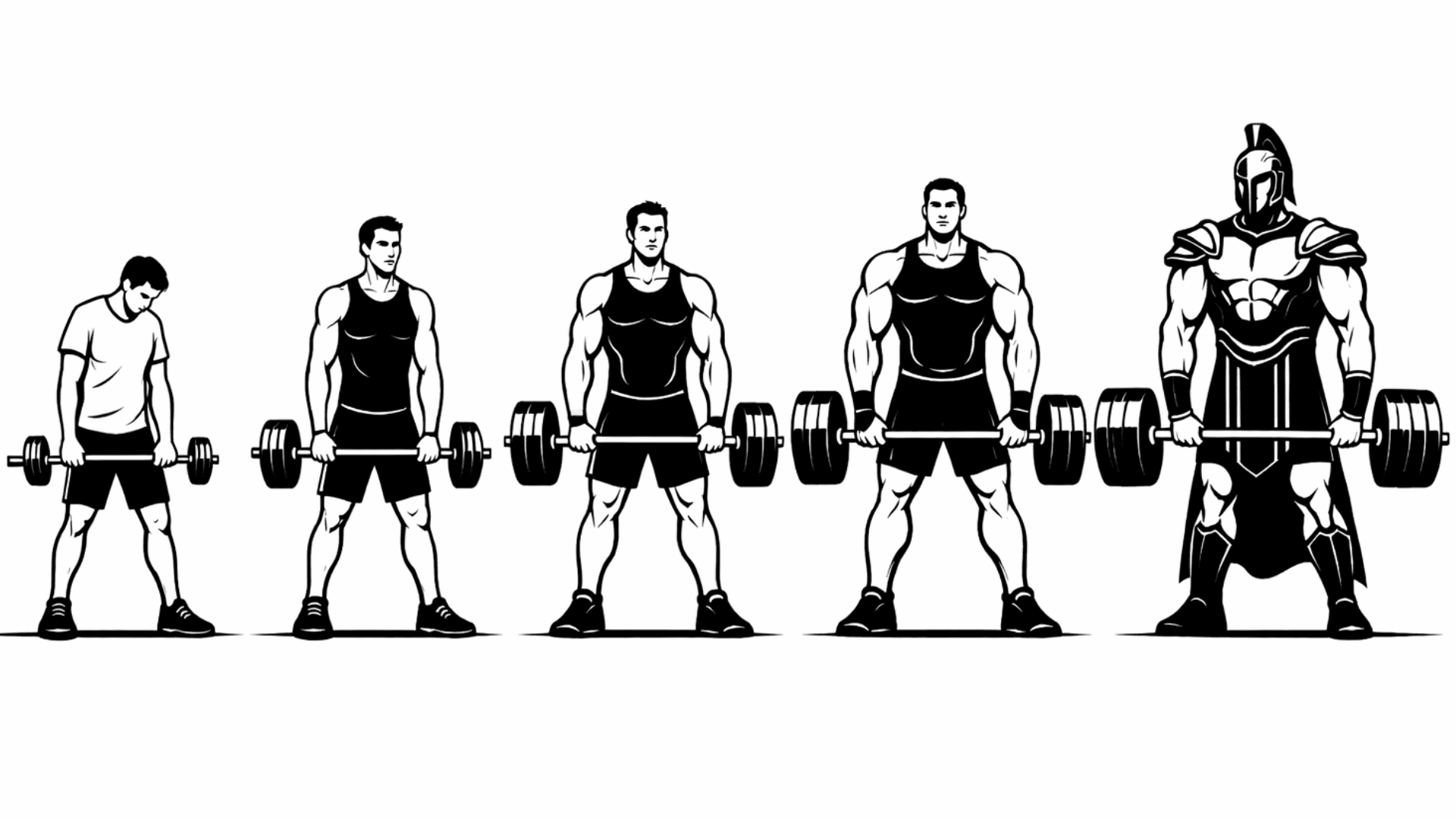
Training is the stimulus. Recovery is where strength actually builds. If your recovery is weak, your program will feel like it “stops working.” This guide breaks down the recovery basics that keep progression moving.
TL;DR
- Recovery is sleep, nutrition, and stress management working together.
- Training only works if you can recover from it.
- Most stalls come from recovery problems, not bad programs.
- Consistent habits beat extreme fixes.
- Reduce volume when recovery is poor instead of changing everything.
- Recovery quality determines how fast you can progress.
What to do this week
- Track sleep hours and energy before training.
- Eat consistent meals with protein and carbs.
- Reduce accessory volume if soreness lingers.
- Keep the main lifts consistent and avoid random changes.
- Review Sleep for Lifters and Stress and Strength.
What recovery really means
Recovery is not a single habit. It is the combination of sleep, food, and stress control that allows your body to adapt to training. When one piece is missing, progress slows.
You should know
A good program cannot outwork poor recovery. Fix recovery first.
The three recovery pillars
1) Sleep
Sleep is the highest‑impact recovery tool. Most lifters do best with consistent 7–9 hours. If your warm‑ups feel heavy for a week, sleep is the first fix.
2) Nutrition
You need enough calories and protein to recover from training. Under‑eating turns a good program into a bad one.
3) Stress management
Life stress adds fatigue. When stress is high, reduce training volume before you change the program.
If you want details on nutrition, read Protein for Lifters and Carbs for Strength.

You should know
If recovery is poor, reduce volume before you add more training days.
Recovery signals to track
Use a short checklist so you can adjust before you stall:
- How your warm‑ups feel.
- Whether bar speed slows across multiple lifts.
- How long soreness lasts.
- Your sleep hours for the week.
If two or more signals trend down, reduce volume or take a deload.
How to adjust training when recovery is low
Use simple steps, in order:
- Cut accessory volume.
- Reduce total sets by 10–20%.
- Repeat the same weights for a week.
- Consider a short deload.
Learn more in Deload Weeks.
Active recovery vs full rest
Rest days do not need to be passive. Light movement can help recovery if it does not create new fatigue.
- Easy walks or cycling help blood flow.
- Light mobility keeps positions fresh.
- Avoid hard intervals or long sessions on rest days.
If the activity makes you sore, it is not recovery.
A simple recovery checklist
Use this checklist weekly to keep recovery realistic:
- Sleep average is stable across the week.
- Meals are consistent on training and rest days.
- Stress is manageable or training volume is reduced.
- Soreness fades within 48–72 hours.
If two or more are off, reduce volume or take a deload.
Nutrition that supports recovery
Recovery nutrition is simple:
- Protein at every meal.
- Carbs around training to restore energy.
- Enough total calories to match training stress.
If you are under‑eating, recovery stalls no matter how good your program is.
For nutrition basics, read Eating for Strength: The Simple Macro Priorities.
Stress management that actually helps
You do not need a perfect routine. Use simple habits:
- Keep a consistent bedtime.
- Reduce training volume during high‑stress weeks.
- Use short walks or easy movement to clear fatigue.
Small habits applied consistently are better than big plans you do not follow.
How recovery changes as you get stronger
As weights increase, recovery demands increase. Beginners can add weight quickly because the stress is lower. Later on, you need more sleep, more food, and more planned recovery to keep progressing. That is why programs shift from daily jumps to weekly progression.
For the transition, read When You’re Not a Novice Anymore.
If you want a program that builds recovery into the plan, see 5/3/1 for Beginners.
A simple recovery‑focused week
Use this as a reference for balancing training and recovery:
- Training days: consistent meals and a steady bedtime.
- Rest days: light movement and normal meals, not a drastic cut.
- End of week: assess soreness and bar speed before adding load.
This keeps recovery predictable and reduces random stalls.
Recovery with conditioning
Conditioning adds stress. If you include it, reduce lifting volume or keep conditioning short. For most beginners, one or two short sessions is enough.
If conditioning makes your squats and deadlifts feel heavy, reduce conditioning volume first. For scheduling ideas, see Conditioning Without Killing Your Squat.
Sleep basics that help most lifters
You do not need a perfect routine, but you do need consistent sleep habits:
- Keep a regular bedtime and wake time.
- Reduce late‑night screens when possible.
- Keep the room cool and dark.
These small habits usually improve recovery more than any supplement.
Recovery myths to ignore
- “More training always fixes a stall.” It often makes recovery worse.
- “You can out‑supplement poor sleep.” Sleep is the foundation.
- “Rest days are wasted.” Rest days make the next training day productive.
Recovery is not passive. It is planned.
Recovery is individual
Two lifters can run the same program and recover differently. Your schedule, stress, and sleep quality all affect how much volume you can handle. Use your log and weekly trends to guide adjustments. If you are consistently tired, reduce volume before you change exercises. Small reductions done early prevent large setbacks later. If you adjust early, you avoid long stalls and keep training momentum. Recovery decisions should be proactive, not reactive. Simple habits repeated daily do most of the work. If recovery slips, fix sleep and food before changing the program. That is the fastest reset. Do it before adding volume. That keeps progress steady. Be patient. It adds up. Stay steady.
A simple recovery log
Track a few signals so you can see trends:
- Sleep hours for the week.
- A short energy score before training.
- A note on soreness after heavy days.
This keeps recovery decisions grounded in data instead of guesswork.
Common mistakes
- Training hard while sleeping poorly. This slows progress fast.
- Ignoring nutrition. Under‑eating makes recovery impossible.
- Adding volume when tired. More work is not the answer.
- Skipping deloads. Planned recovery keeps progress steady.
Pillars Check
Workout
- Keep training stress appropriate for your recovery.
- Use simple programs like Starting Strength or GZCLP while you learn your recovery limits.
Diet
- Eat enough total calories and protein to recover.
- Keep carbs steady around training.
Recovery
- Sleep is the foundation; stress management reinforces it.
- Use deloads when fatigue builds.
See the Workout, Diet, and Recovery pillars for the full foundation.
FAQ
How do I know if recovery is the problem?
If bar speed is slow for multiple sessions despite good technique, recovery is likely the issue.
Should I train when I’m sore?
Mild soreness is fine, but heavy soreness for multiple days is a signal to reduce volume.
How much sleep do I need?
Most lifters do best with 7–9 hours. Consistency matters more than perfection.
Can I recover without eating more?
Not if you are under‑eating. Recovery needs fuel.
What should I read next?
Continue with Sleep for Lifters and Stress and Strength.
Sources (to add)
Evidence note: Add citations on recovery, sleep, and nutrition for strength training adaptation.
- Add source: Sleep duration and strength performance.
- Add source: Energy balance and recovery.
- Add source: Stress and training adaptation.