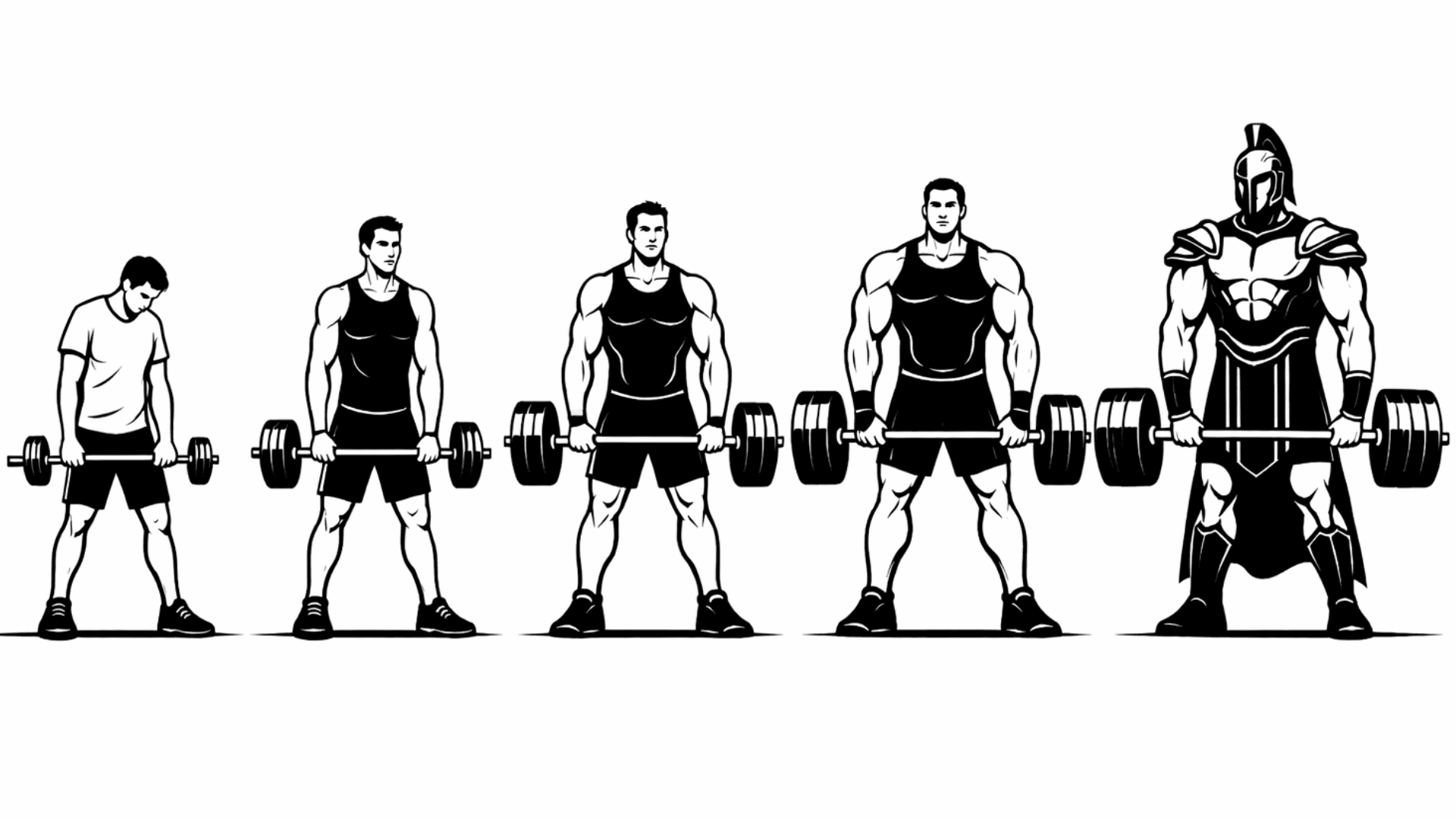
Off-season is when football players actually get stronger. You can lift hard, gain muscle, and clean up technique without the weekly grind of games. This guide gives you a beginner to intermediate off-season plan that prioritizes strength, keeps recovery intact, and avoids burnout.
TL;DR
- Off-season is for building a strength base, not chasing random conditioning.
- Use simple full body or upper lower lifting with clear progression.
- Keep compound lifts first and accessories minimal.
- Eat enough to gain slowly and recover well.
- Use speed and power work sparingly, not as the main course.
What to do this week
- Pick a simple strength plan like Starting Strength or GZCLP.
- Train 3 days per week and focus on perfect reps.
- Add weight in small jumps and track everything.
- Eat enough to gain slowly and sleep at least 8 hours.
- Read Linear Progression Explained to understand the progression system.
Off-season goals for football athletes
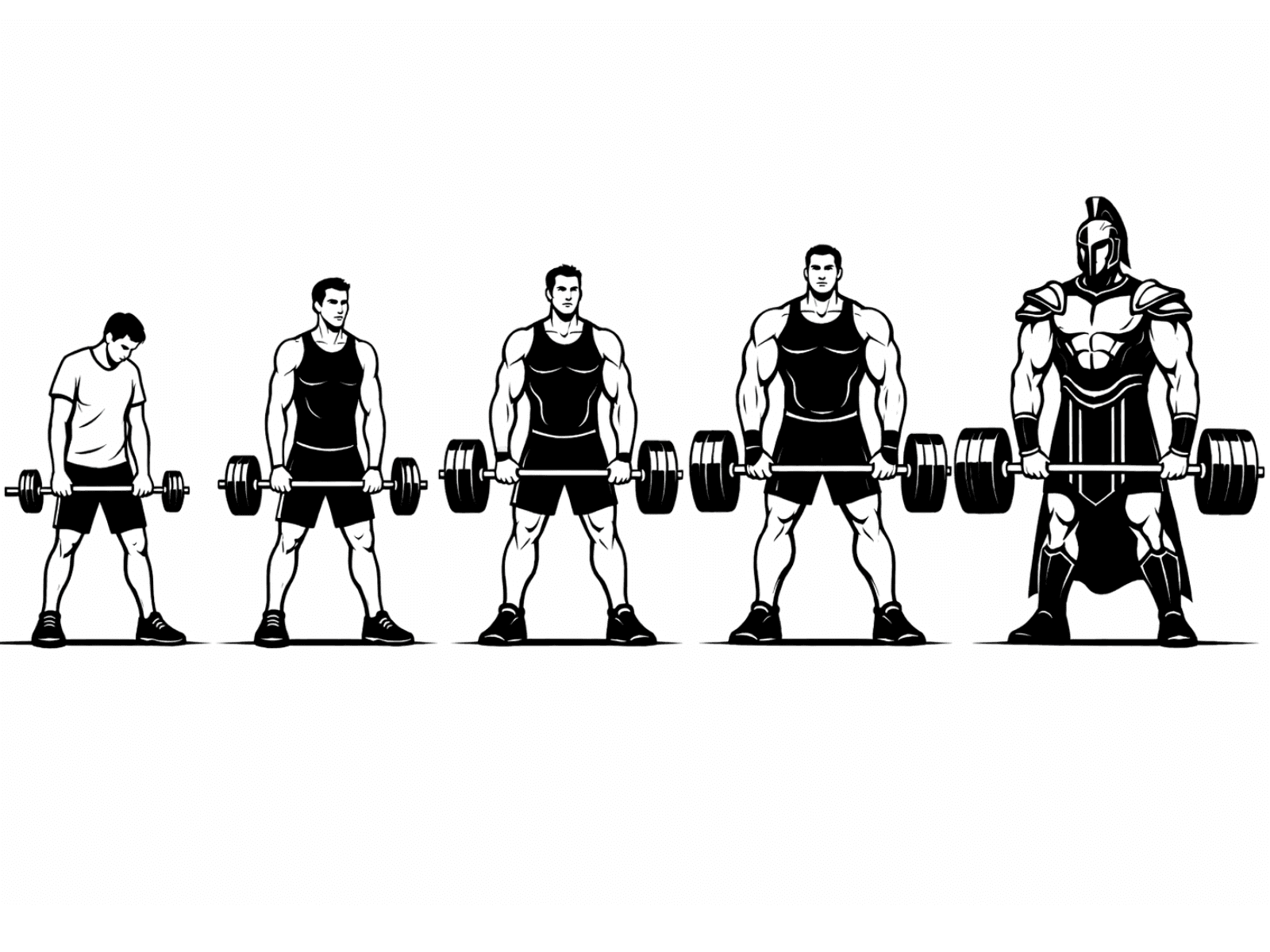
Off-season should build the foundation that in-season training protects. For beginners, the most valuable goals are:
- Add strength on squat, bench, and deadlift
- Build muscle without getting sloppy or slow
- Improve technique so progress lasts
A stronger base means you hit the season with more power and more resilience.
Evidence note: Add sources on strength training and performance transfer for field sports.
You should know
The strongest athletes are usually the ones who kept training simple and consistent in the off-season.
Simple plan: lift three days per week
Three days per week is enough for most beginners. It lets you recover while still adding weight every week.
Example schedule
- Day 1: Squat, bench, row, accessory
- Day 2: Squat or deadlift, press, pull ups, accessory
- Day 3: Squat, bench, deadlift, accessory
Keep the main lifts first. Do not bury them under endless accessories.
Off-season phases that keep you progressing
Beginners do not need complex periodization, but simple phases help you focus.
- Base phase (3 to 4 weeks): learn technique, build consistency, add weight every session.
- Build phase (4 to 6 weeks): keep progression, add a small amount of accessory work.
- Peak phase (2 to 3 weeks): maintain strength, reduce extra volume, stay fresh.
Each phase should still be based on the main lifts and a logbook. The phase just changes how much extra work you do.
Example 12-week outline
Here is a simple way to structure an off-season block:
- Weeks 1 to 4: linear progression, minimal accessories
- Weeks 5 to 9: linear progression with one extra accessory per session
- Weeks 10 to 12: reduce accessories, keep main lifts heavy and crisp
If you hit stalls, use a short deload and continue the block. Read How to Deload if you are unsure.
You should know
A phase does not need a fancy name to work. It just needs consistent lifting and honest recovery.
Progression rules that work
Off-season progress is about small, repeatable wins.
- Add small weight jumps every session if reps stay clean.
- If form breaks down, repeat the weight next session.
- Use Technique Priorities to keep form stable.
This is why linear progression works so well in the off-season. It forces you to practice good reps while adding load.
Where speed and power fit
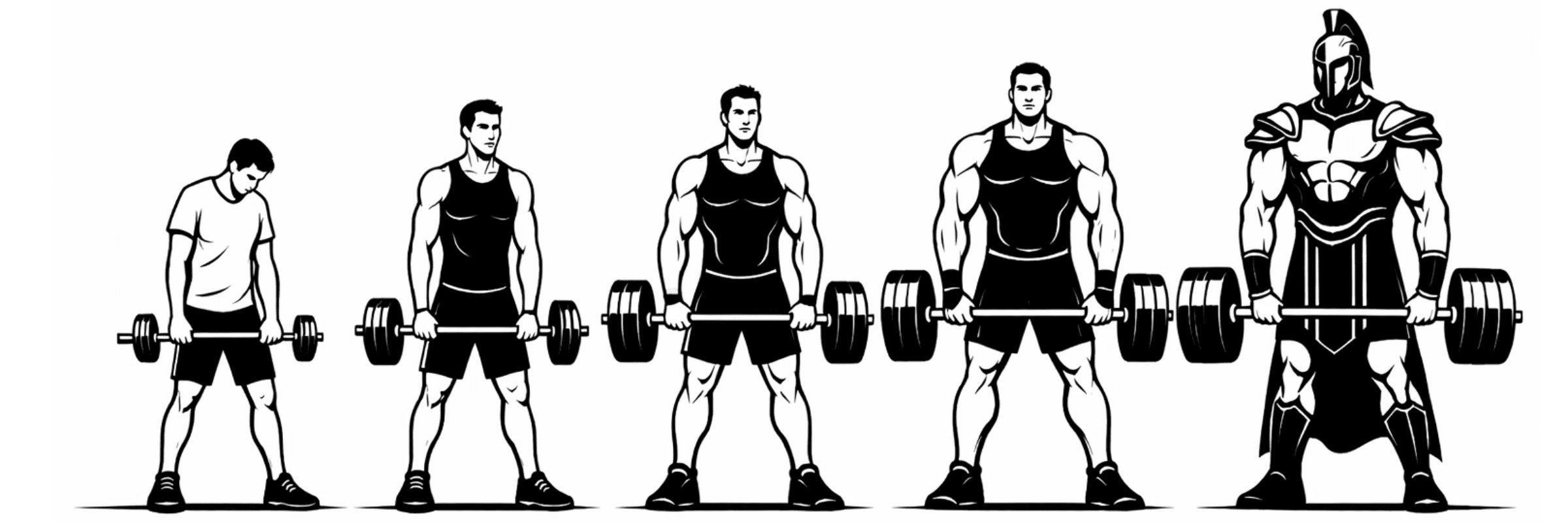
Power work is important for football, but it should support strength, not replace it.
- Use short sprint work 1 to 2 times per week.
- Keep jumps or throws low volume and crisp.
- Avoid long conditioning that drains the next lifting session.
A strong base makes your speed work more useful later.
You should know
If you are exhausted before you lift, you are using conditioning to replace strength work.
Accessories: minimal, targeted, and repeatable
Use accessories to cover weak points and build durability, not to chase a pump.
Good choices for football athletes:
- Rows or pull ups for upper back
- RDLs or hip hinges for posterior chain
- Carries for trunk stability
Keep total accessory volume low so recovery stays strong.
Position emphasis without overcomplicating
You do not need a totally different program for each position, but you can shift emphasis.
- Linemen usually benefit from more lower body and trunk strength.
- Skill positions benefit from speed and quickness once a base is built.
- Everyone needs the main lifts and consistent progression.
Keep the plan simple and use small tweaks instead of full program changes.
Track progress beyond maxes
Off-season success is not only about a new 1RM. Track the things that make game speed possible.
- Bar speed on working sets
- Sprint times or jump height
- Consistent technique under load
If these improve alongside steady strength gains, your off-season plan is working.
If you have team camps or combines, plan a light week before them. Keep the main lifts but reduce volume so you show up fresh and can move well during testing.
Off-season nutrition basics
Off-season is usually the best time to gain a small amount of body weight. Do it slowly so strength and power keep rising.
- Eat in a small surplus.
- Keep protein steady.
- Prioritize carbs around training.
Use Protein for Lifters and Carbs for Strength as your nutrition anchors.
Deloads during the off-season
Off-season training should still include planned lower stress weeks. Deloads keep bar speed moving and reduce joint stress as weights climb.
- Use a deload every 6 to 10 weeks or when bar speed slows for multiple sessions.
- Reduce total sets by about one third.
- Keep the main lifts, keep technique sharp.
This keeps you on track for the full off-season instead of stalling halfway.
Use a simple training log and record your top sets each session. If the log is not moving, adjust the plan instead of adding random exercises. Weekly notes on sleep and soreness help you spot fatigue before it ruins progress.
How it changes once LP ends
When linear progression slows, move to a plan with more structure and planned deloads. 5/3/1 for Beginners is a strong next step for football athletes who need longer blocks.
If you are unsure whether you are still a novice, read When You are Not a Novice Anymore.
Common off-season mistakes
- Doing conditioning that leaves you too tired to lift.
- Chasing maxes every week instead of building volume and technique.
- Adding too many accessory lifts and losing focus on the big lifts.
- Gaining weight too fast and losing speed.
The off-season is long. Consistency wins over chaos. Pick a small set of lifts and stick with them for the full block.
Pillars Check
Off-season gains depend on all three pillars working together.
Workout
- Use simple progression and keep compound lifts first.
- Add weight only when reps stay clean.
Diet
- Eat enough to support muscle gain and recovery.
- Keep protein and carbs steady across the week.
Recovery
- Sleep is where adaptation happens.
- Deload when bar speed slows for multiple sessions.
See the Workout, Diet, and Recovery pillars for deeper guidance.
Related reading
FAQ
How many days per week should I lift in the off-season?
Most beginners do best with three days per week so recovery stays strong.
Should I do conditioning during the off-season?
A small amount is fine, but do not let it steal from strength work.
Do I need Olympic lifts to get faster?
No. Many athletes get faster with basic strength work and short sprints.
How much weight should I gain?
Gain slowly so your speed and movement quality stay high.
What should I read next?
Sources (to add)
Evidence note: Add citations on strength training transfer, off-season periodization, and performance outcomes.
- Add source: Strength training and sprint performance in football athletes.
- Add source: Off-season volume and injury risk management.
- Add source: Periodization models for field sports.