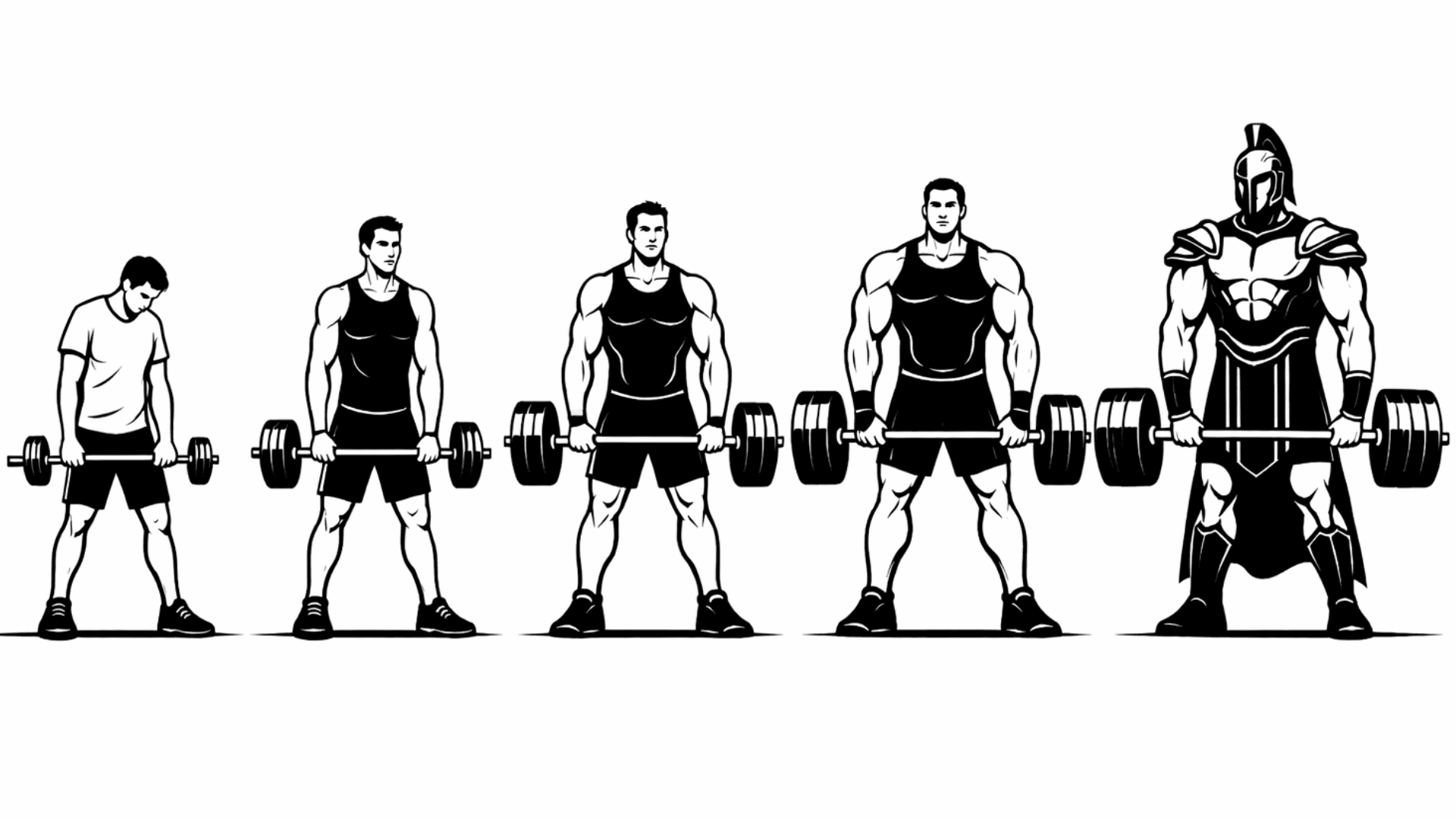
Power cleans can build explosive strength, but they can also derail progress when rushed. Most football athletes need strength and technique first. This guide shows how to learn cleans safely, how to load them, and how to fit them into a strength plan without wrecking squat and deadlift progress.
TL;DR
- Power cleans are useful for power, but not required for football strength.
- Earn the clean by mastering the hinge, front rack, and basic strength first.
- Learn with pulls and hang variations before you clean from the floor.
- Keep reps low, bar speed high, and technique strict.
- Add cleans without cutting your squat or deadlift progression.
- If you do not have coaching, keep loads light and use video.
What to do this week
- Test your hinge and front rack positions with an empty bar.
- Practice clean pulls and hang power clean drills with light weight.
- Keep clean volume low: 3 to 5 sets of 2 to 3 reps.
- Keep your main strength plan simple, like Starting Strength or GZCLP.
- Read Technique Priorities and Warm-Up Ramp Sets before adding weight.
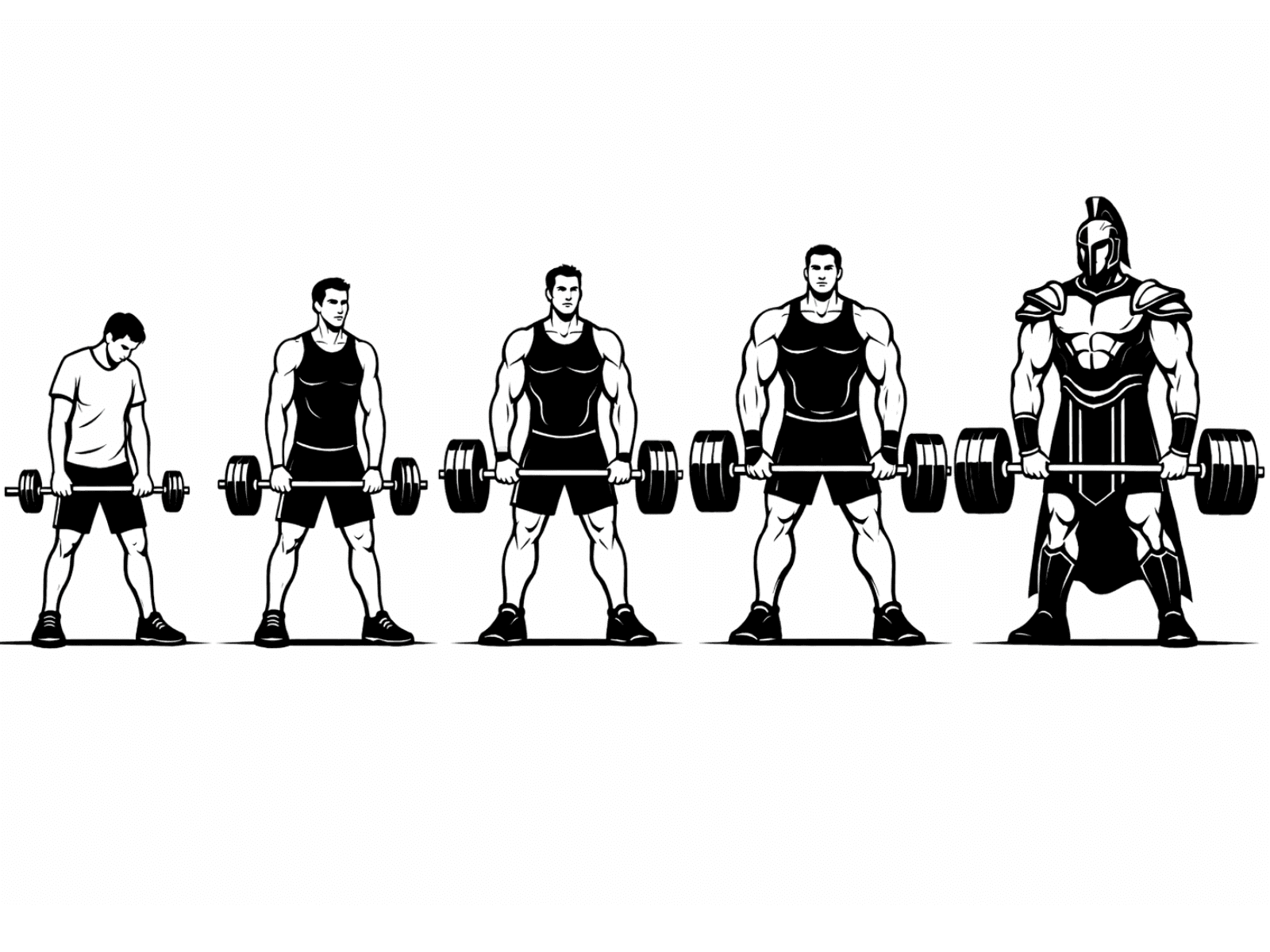
Do you need power cleans for football strength
Power cleans are a tool, not a requirement. A beginner can get very strong and fast with squats, deadlifts, presses, and sprints. Cleans add power work if you have coaching and enough time to learn the movement.
If your squat and deadlift are still climbing fast, keep them as the priority. Cleans can come later once basic strength is stable.
A simple rule: if you cannot add weight to squat or deadlift most weeks, do not add more clean volume. Build the base first, then add power work as a supplement.
Evidence note: Add sources on power development and transfer to field performance.
You should know
If cleans are taking time away from squat and deadlift progress, the tradeoff is not worth it yet.
Prerequisites before you learn the clean
Power cleans demand strong positions. If these basics are weak, cleans become risky.
1) Solid hinge pattern
You should be able to hinge with a flat back and keep the bar close. If your deadlift setup is inconsistent, fix that first.
2) Front rack position
You need a stable front rack with elbows up and the bar resting on the shoulders. If your wrists or shoulders do not allow this yet, use front rack mobility work and light front squats.
3) Baseline strength and control
A good rule is to be comfortable with basic barbell lifts for several months. Power cleans are a skill lift, not a shortcut.
You should know
If you cannot rack the bar comfortably, start with clean pulls and front squat holds before you add the catch.
Front rack and mobility quick fixes
If the front rack is the limiter, use short daily work instead of forcing the catch.
- Front rack stretch with the bar on the shoulders for 20 to 30 seconds
- Elbow rotation drills with a light bar or band
- Light front squat holds to build position tolerance
Keep this work short. The goal is to make the front rack feel normal, not to create soreness.
Technique checklist for every rep
Use a simple checklist so each rep looks the same.
- Bar starts over mid-foot
- Back stays flat through the pull
- Arms stay long until the hips finish
- Fast elbows in the catch with a stable front rack
If one item fails, reduce the load and repeat the step that fixes it.
Learning progression: pull to catch
The clean is not one movement. It is a sequence of positions. Learn the pull first, then add the catch.
Step 1: Clean pull
Practice keeping the bar close, driving through the floor, and finishing tall. No catch yet.
Step 2: High pull
Add a quick shrug and elbow rise, but keep the arms loose. The power comes from the legs and hips, not the arms.
Step 3: Hang power clean
Start from the hang position and catch in a partial squat. This teaches you to meet the bar, not pull it with your arms.
Step 4: Power clean from the floor
Only add the floor start once the hang clean looks clean and repeatable.
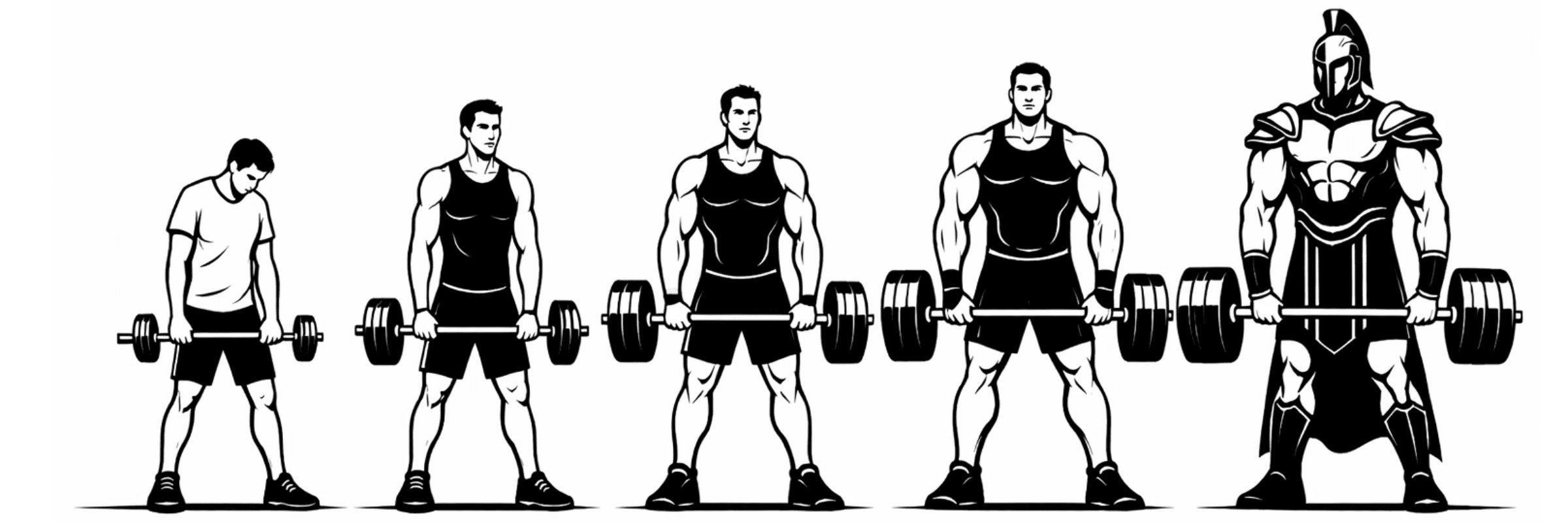
Loading rules: speed first, technique always
Power cleans are about speed. If the bar slows down, the set is over.
- Use low reps: 2 to 3 per set.
- Keep sets short: 3 to 5 sets is enough.
- Stop each set when speed drops.
- Use a weight you can catch cleanly, not a weight you fight for.
You should know
If a rep looks like a deadlift, the load is too heavy for power work.
Treat every rep like practice, not a test or a max attempt.
Common mistakes and how to fix them
Mistake: Pulling with the arms early
- Fix: Keep arms long and focus on pushing the floor away.
Mistake: Jumping forward or backward
- Fix: Start with the bar over mid-foot and keep it close.
Mistake: Catching too low or too loose
- Fix: Catch high in a stable quarter squat and hold for a second.
Mistake: Too many reps and sets
- Fix: Keep cleans short and fast. Save fatigue for squats and deadlifts.
Coach note
The clean is a speed skill. If you grind it, you are training the wrong quality.
How to integrate cleans without wrecking strength progress
The clean should support the main lifts, not replace them. Keep squat and deadlift progression as the core of the plan.
Example week for a beginner football athlete
- Day 1: Power clean 5x2, squat work sets, light accessory
- Day 2: Bench, deadlift work sets, rows
- Day 3: Power clean 6x2 or jumps, squat work sets, light accessory
Keep clean volume low and place it before squats so you are fresh. If squat or deadlift progress slows, reduce clean volume first. If you move to 5/3/1 for Beginners, keep cleans optional and low volume so the main lifts stay the priority.
If you do not have coaching
Power cleans are a technical lift. Without coaching, keep the bar light and use video from the side. If positions are inconsistent, stay with clean pulls and hang work until the movement is repeatable.
If the clean does not fit your setup, use alternatives like jumps, med ball throws, or kettlebell swings. Power is still trainable without full cleans.
Pillars Check
Power work only helps when the three pillars are aligned.
Workout
- Keep cleans low volume and place them before squats.
- Prioritize squat and deadlift progression first.
Diet
- Eat enough carbs to support speed and power training.
- Keep protein steady to recover from heavy lifts.
Recovery
- Sleep keeps bar speed high and technique consistent.
- Deload if speed drops for multiple sessions.
See the Workout, Diet, and Recovery pillars for the full framework.
Related reading
FAQ
Do power cleans replace deadlifts?
No. Cleans are a power tool. Deadlifts are a strength foundation.
How often should a beginner clean?
One to two sessions per week is plenty, with low volume and fast reps.
What if I cannot rack the bar?
Start with pulls and front rack mobility work. Do not force the catch.
Should I max out on power cleans?
No. Keep them fast and technical. Maxing out turns a power lift into a grind.
What should I read next?
Read Warm-Up Ramp Sets and Technique Priorities.
Sources (to add)
Evidence note: Add citations on power development, clean progressions, and safety guidelines for field athletes.
- Add source: Olympic lift progressions for team sports.
- Add source: Power training and sprint performance.
- Add source: Injury risk and technique quality in explosive lifts.