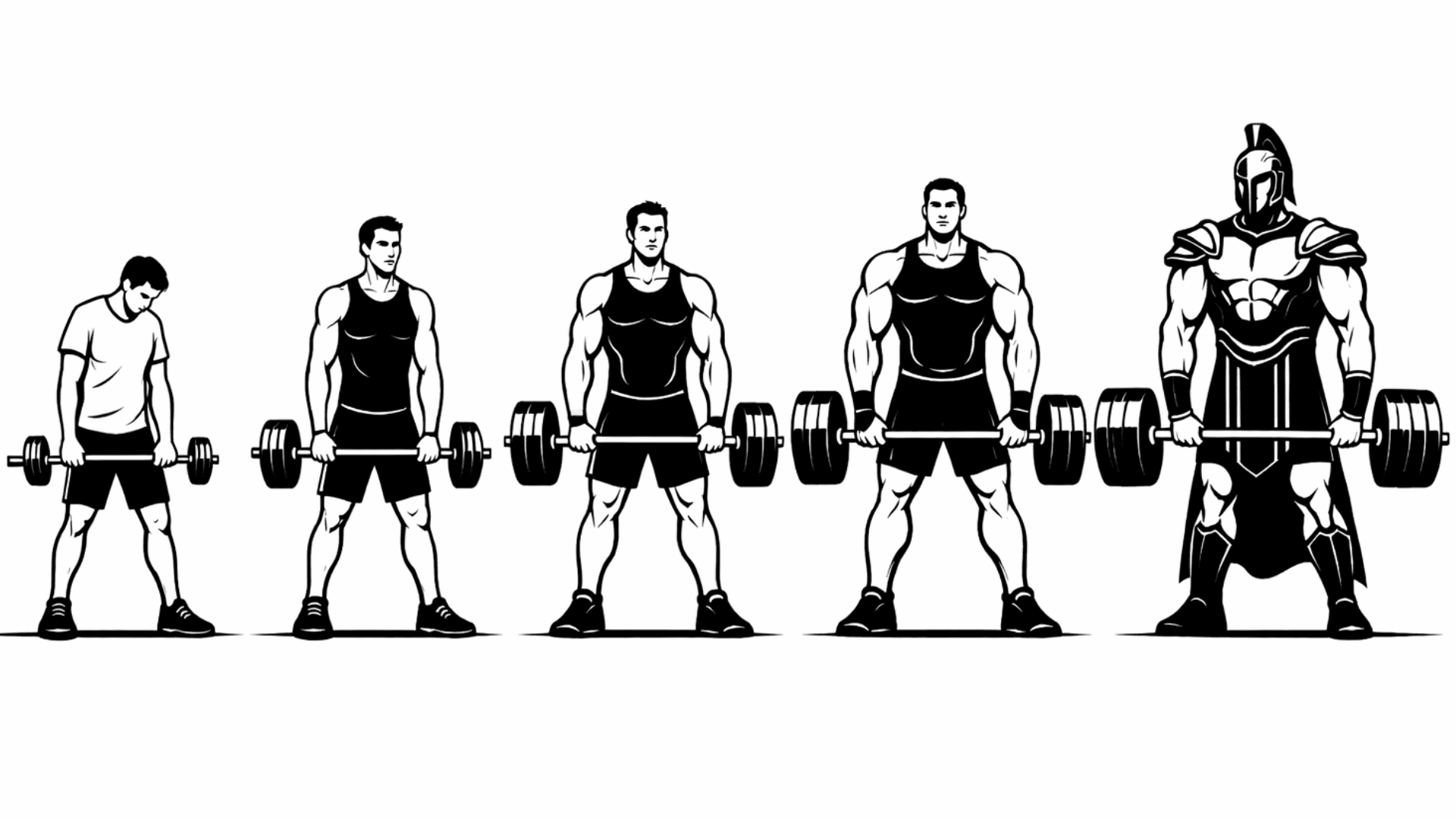
Linear progression is the fastest way to build strength as a beginner. Periodization is the way you keep building strength when linear jumps stop working. This guide shows how to tell the difference, when to switch, and how to transition without losing momentum.
TL;DR
- Linear progression adds small weight jumps session to session and works best for new lifters.
- Periodization manages volume and intensity in waves so recovery can keep up.
- Switch when stalls repeat despite good sleep, food, and clean technique.
What to do this week
- Run your current program exactly as written for one more week.
- Track sleep, appetite, and bar speed for your main lifts.
- If you miss the same lift twice, repeat the load and tighten technique.
- Review the Workout pillar for clean setup and bracing cues. If you feel run down, lower volume for one week before you change the program.
Linear progression in plain English
Linear progression means you add a small amount of weight to the same lifts on a regular schedule. It works because beginners recover quickly and can adapt to frequent increases.
Why it works for beginners
Early progress comes from technique and nervous system adaptation, not just muscle size. When you repeat the same movement patterns with slightly heavier loads, your body learns fast.
You should know
The best beginner plan is the one you can repeat with clean reps. Consistency beats novelty.
What a simple week looks like
A beginner week should feel boring in a good way. You repeat the same main lifts and focus on quality.
Example three-day structure:
- Day 1: Squat, press, deadlift + one small accessory.
- Day 2: Squat, bench, row + light accessory.
- Day 3: Squat, press, deadlift + simple core work.
This is why programs like Starting Strength work so well early on. The goal is clean practice, not variety.
If your warm-ups feel off, pause and reset. Warm-ups are technique rehearsal. A clean warm-up often fixes a messy work set before it starts.
Where linear progression starts to break
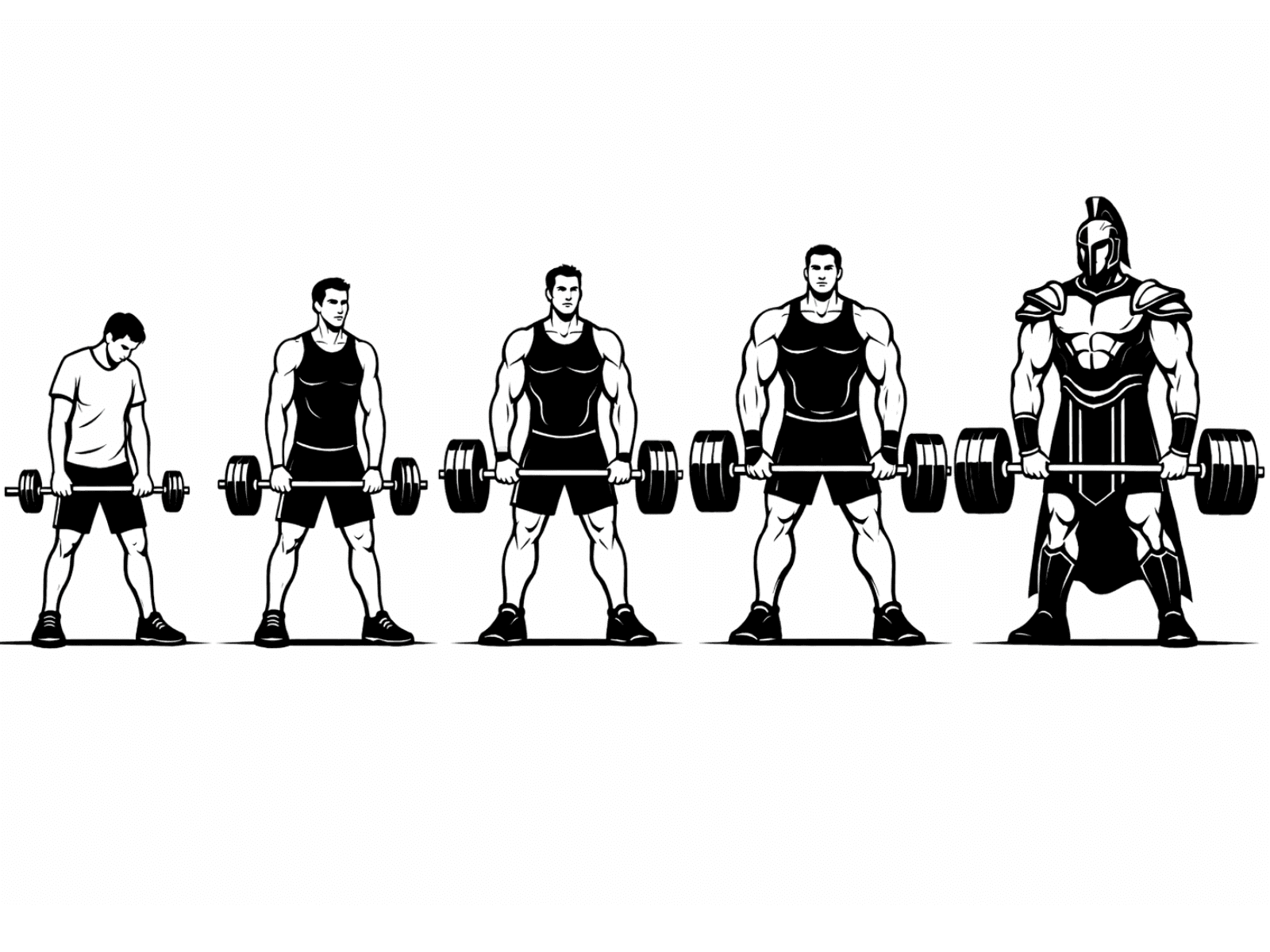
Linear progression stalls when the stress from each session outpaces recovery. The same jump that felt easy at week 4 feels heavy at week 12 because the load is higher and fatigue is accumulating.
Signs you are outgrowing it
- You miss the same lift twice in a week.
- Bar speed slows on weights that were smooth last month.
- Sleep and appetite dip in the same week.
- Warm-ups feel heavy before the first work set.
You should know
One bad session is not a plateau. Repeated stalls with good recovery usually are.
If these signals show up, first fix sleep, diet, and technique. If the signals persist, you are ready for a smarter structure.
Decision checklist: stay linear or move on
Use this quick checklist to avoid switching too early or too late.
Stay linear if
- You are still adding weight every 1 to 2 weeks.
- You can repeat a weight and then hit it clean the next session.
- Sleep and food are consistent most nights and days.
Move toward periodization if
- You miss the same lift twice in one week.
- You need longer warm-ups just to feel normal.
- Recovery is good but progress still stalls for multiple weeks.
If you are unsure, repeat your current loads for one week and review the results. A single repeat week often reveals whether the issue is recovery or programming.
Periodization without the jargon
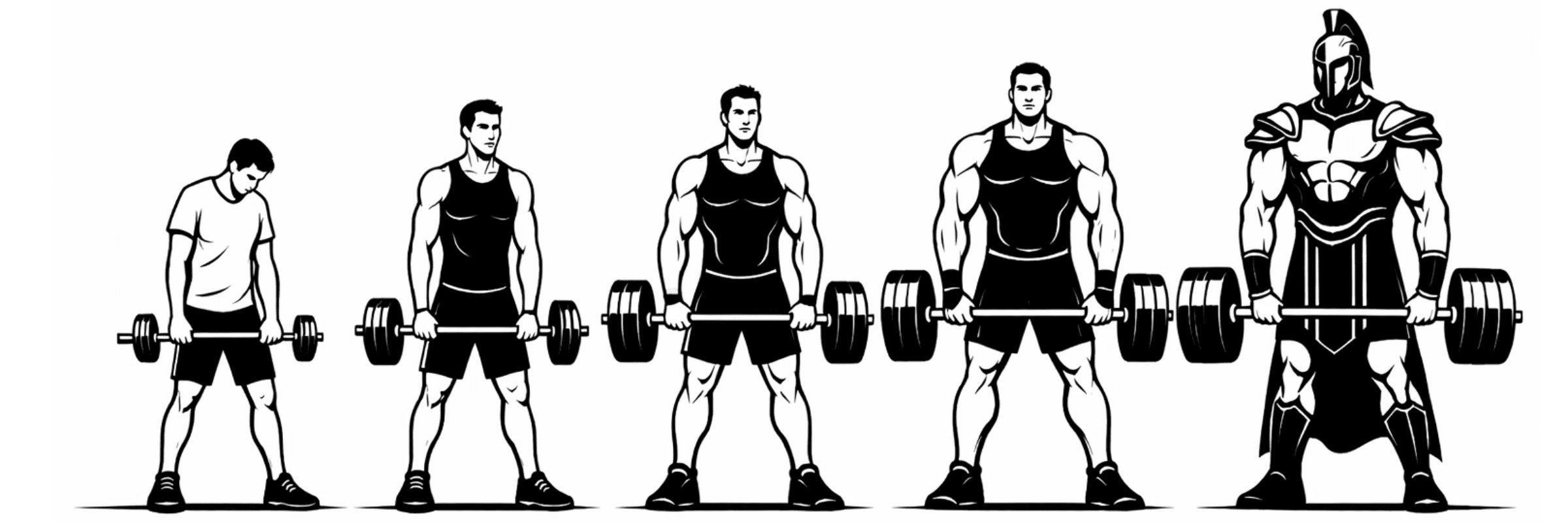
Periodization is planned variation. You keep the main lifts stable while adjusting volume and intensity so you can recover and keep building strength.
What actually changes
- Volume waves: more total sets for a few weeks, then a reduction.
- Intensity waves: heavier weights for fewer reps, then a lighter phase.
- Deloads: planned low-stress weeks that reset fatigue.
Block vs undulating, simplified
- Block periodization: train volume, then strength, then peak.
- Undulating periodization: rotate reps and intensity within the week.
Both work. The best choice is the one you can run consistently and recover from. Even on a three-day schedule, you can periodize by rotating rep ranges or using a light day. The structure matters more than the number of days.
A simple transition you can run next month
You do not need a complex program to leave linear progression. Use a short transition to introduce planned variation.
Four-week bridge
- Week 1: repeat your last successful loads with perfect form.
- Week 2: add a light day (10 to 15 percent lower load).
- Week 3: increase volume slightly while keeping intensity steady.
- Week 4: deload and reset working weights by 5 to 10 percent.
You should know
The goal is not to lift heavier every day. The goal is to recover and lift heavier next month.
After the bridge, move into a structured program with built-in progression. Good options:
Programs that match each stage
- Linear progression: Starting Strength is a classic beginner path.
- Early intermediate: GZCLP manages fatigue with tiered work.
- Long-term progress: 5/3/1 for Beginners slows jumps and keeps you healthy.
Pick one and run it for at least 8 to 12 weeks before you judge results.
Common transition mistakes to avoid
Most stalls happen because lifters change too many variables at once. Keep the main lifts stable and adjust one lever at a time.
Common mistakes:
- Adding a lot of new accessories when progress slows.
- Switching programs every few weeks instead of finishing a full block.
- Chasing heavy singles while fatigue is high.
- Ignoring sleep debt and blaming the program.
Fixes that work:
- Keep accessories minimal and repeatable for 6 to 8 weeks.
- Use a light day or deload before you abandon a program.
- Track bar speed and stop sets before form breaks.
- Read Sleep Debt and Strength Performance when recovery starts to slip.
Where intermediate and advanced principles fit
Intermediate training is not about complexity, it is about better recovery management. The big ideas are:
- Auto-regulation: adjust load based on bar speed and effort.
- Volume landmarks: add sets slowly and track recovery.
- Specificity: keep the main lifts while you shift rep ranges.
What actually changes in intermediate training
Intermediate training usually shifts from session-to-session jumps to weekly progressions. You might repeat the same working weights for a few sessions, then add load after a full week of clean reps. The focus is on quality and recovery, not daily PRs.
Advanced principles build on the same foundation. They include longer blocks, more precise volume management, and planned peaks. If your basics are inconsistent, advanced methods will not fix that. Build the base first, then layer complexity.
Related reading
Pillars Check: Workout / Diet / Recovery
- Keep the main lifts consistent and add weight in small steps.
- Transition to periodization when stalls repeat.
- Eat enough protein and carbs to support training volume.
- Adjust calories before you change programs.
- Sleep quality determines how long linear progression lasts.
- Use deloads to lower fatigue and protect progress.
FAQ
How long should I run linear progression? Most beginners can run it for several months if recovery and technique are solid.
Should I switch after a single bad workout? No. Repeat the load, improve technique, and check recovery first.
Is periodization only for advanced lifters? No. It becomes useful as soon as recovery cannot support session-to-session jumps.
Do I need to test my 1RM to know when to switch? No. Use bar speed, missed reps, and recovery as your signals.
Can I periodize and still train three days a week? Yes. You can wave volume and intensity in a three-day schedule.
What if only one lift stalls? Keep the rest moving and apply microloading or technique work to that lift.
Sources (to add)
Evidence note: Add citations for key claims in this article.
- Author, A. (Year). Linear progression outcomes for novice lifters.
- Author, B. (Year). Periodization models and strength performance.
- Author, C. (Year). Fatigue management and recovery in resistance training.